
Last checked: October 8, 2026
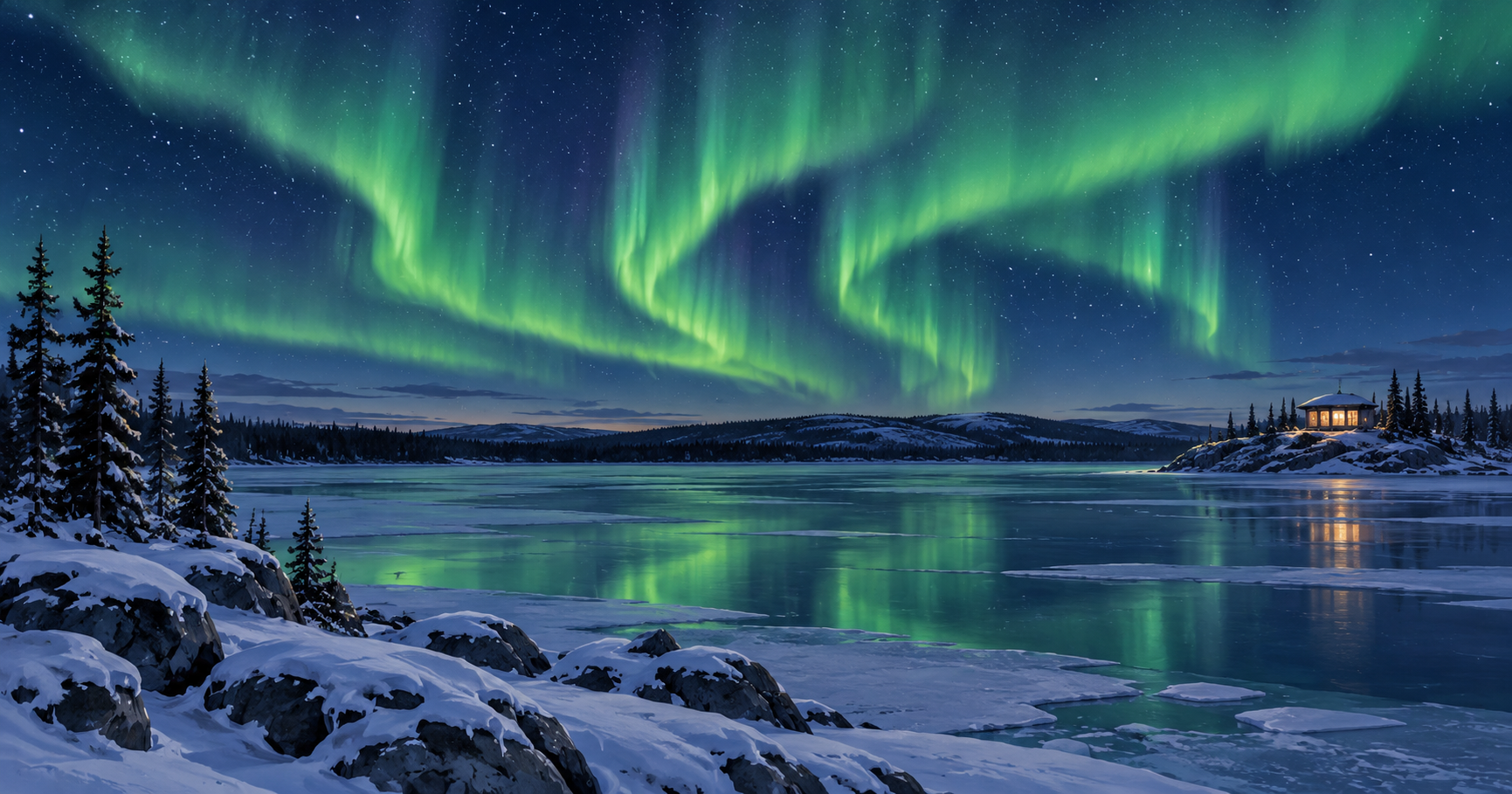
Planning for the northern lights in Yellowknife means considering the season, darkness, cloud cover and geomagnetic activity together. No month, tour or forecast can guarantee a sighting. Treat the aurora as a possible part of the trip, and plan activities in town for evenings when conditions do not cooperate.
The City of Yellowknife identifies roughly mid-November to early April as a strong winter viewing period and also notes opportunities from late summer into early autumn. Spectacular Northwest Territories lists a fall window from mid-August to the end of September and a winter window from about mid-November to early April. These are planning windows, not promises: daylight, clouds and local weather still affect whether the sky is visible. Confirm the current operating dates with your accommodation or tour provider before booking. Compare the City of Yellowknife’s aurora information with Spectacular NWT’s viewing seasons.
Natural Resources Canada’s Canadian Space Weather Forecast Centre monitors and forecasts geomagnetic activity. Its guidance says a forecast of “stormy” or higher near local midnight, together with a clear, dark sky, means an aurora may be visible; it is still not a guarantee. Check the Canadian geomagnetic activity forecast close to your trip. It is a short-term forecast and cannot promise what the sky will do weeks ahead. The city also describes its Northern Lighthouses alert system on the same municipal aurora page.
If your schedule allows, keeping more than one evening open gives you different weather opportunities, but does not ensure a sighting. Compare a downtown hotel with an out-of-town lodge or viewing excursion. Before booking, ask where and when transport is provided, how long you will be outdoors, whether there is warm indoor shelter, and what happens if weather disrupts the outing. Do not treat a tour operator’s promotional success rate as a personal guarantee.
Waiting outdoors at night can mean prolonged exposure to cold and wind. The Government of Canada recommends dressing in layers with a wind-resistant outer layer and protecting your head, hands, feet and other exposed skin; change out of wet clothing promptly. Before going out, check Canada’s extreme-cold safety guidance and local weather alerts, and arrange your return transport in advance. If you bring a camera, plan a way to warm up indoors during a long wait.
Viewing conditions and local schedules change from year to year. Before booking, confirm the season with the provider; before departure, check clouds, weather alerts and the official geomagnetic forecast; for each night out, confirm transport, warm shelter and cancellation terms. For a broader seasonal trip plan, see our guide to travelling in Canada through the four seasons.