
Updated: 2026-06-17|Live information is subject to official announcements.
The World Cup has reached its fifth day, and Vancouver has gone from “a big tournament is coming” to “in the middle of a big tournament.” BC Place’s opening match (Australia vs Turkey) kicked off on the evening of June 13, with a sold-out stadium and an atmosphere so electric that local news was still reminiscing about it the next day. If you’re heading in to watch a match over the coming weeks, or planning to soak up the buzz downtown, this piece walks you through the venue, transport, entry routes and the surrounding area based on what you’ll actually run into on the ground — especially the most common pitfall, “how to walk from the SkyTrain to the stadium,” which this year is completely different from usual.
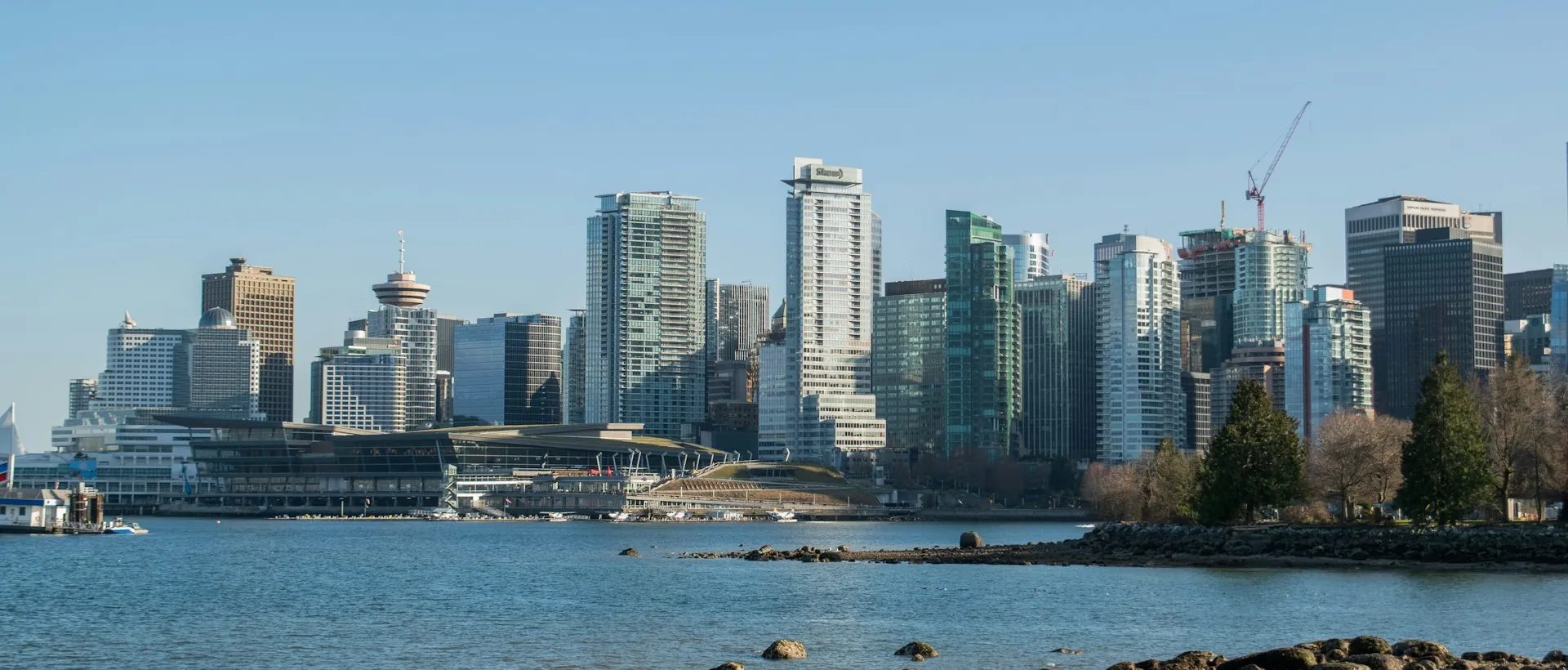
First, get to know the venue. BC Place sits on the north shore of False Creek in downtown Vancouver. Opened in 1983, it is the largest indoor multi-purpose stadium on Canada’s west coast, and its signature feature is that retractable cable-supported roof — play goes on in the rain, with no worry about getting soaked. It has hosted the opening and closing ceremonies of the 2010 Vancouver Winter Olympics and the 2015 Women’s World Cup final, so it has plenty of experience hosting major events. For this World Cup, FIFA has announced BC Place’s tournament-mode capacity as 52,497 per match, and the opening game was declared a sell-out at that figure. Plenty of seats and a roof that can close are very practical advantages for Vancouver, which gets the occasional shower in June and July.
Vancouver is hosting seven matches in total this time, running from mid-June through to early July, including five group-stage matches, one round of 32 and one round of 16. The two most closely watched locally are Canada’s two home games at BC Place. Below is the announced schedule (times in Pacific Time, PT; please still refer to FIFA’s official Match Centre for the final announcement):
| Date | Fixture / Stage | Kick-off (PT) |
|---|---|---|
| 6/13 | Australia vs Turkey (Group D, played, Australia won 2:0) | 21:00 |
| 6/18 | Canada vs Qatar (Group B) | 15:00 |
| 6/21 | New Zealand vs Egypt | 18:00 |
| 6/24 | Canada vs Switzerland (Group B) | 12:00 |
| 6/26 | New Zealand vs Belgium | 20:00 |
| 7/2 | Round of 32 | 20:00 |
| 7/7 | Round of 16 | 13:00 |
Canada are in Group B this time, alongside Bosnia and Herzegovina, Qatar and Switzerland. Canada’s opening match is actually in Toronto at BMO Field against Bosnia and Herzegovina (June 12); these two Vancouver matches are the group-stage games that follow, effectively home days right on the doorstep for local fans. The exact kick-off times for each match are subject to the official schedule, so be sure to confirm again before buying tickets.
Match-day entry and transport: the route is completely different from usual
This is the most important part of the whole piece, and also where the “old information” that circulated everywhere last year is most likely to mislead you. Normally, to watch a game at BC Place, everyone simply takes the Expo Line to Stadium–Chinatown station and walks straight out to the stadium. But on World Cup match days, that is not the way in. Because security controls and pedestrian-only zones have been set up around the stadium, match-day entry has been switched entirely to TransLink’s planned “Last Mile” pedestrian walkway, which starts at Main Street–Science World station (the next station east of Stadium–Chinatown on the Expo Line, one stop further along). After exiting, walk along the closed-off sections of Quebec Street and Pacific Boulevard to the stadium; the official route leads to the security screening area at the corner of Carrall Street and Pacific Boulevard, a walk of about ten to fifteen minutes in total. Along the way there are fan zones, live music, beer gardens and official merchandise stalls — it’s part of the experience in itself. The dome glass sphere at Science World, turned into a giant football, is easy to spot, and following it you basically can’t get lost.
Do not wait at Stadium–Chinatown station expecting to walk straight to the stadium. On match days this station does not serve as a general entry point; the entrances normally used from Expo Boulevard, Beatty Street and Griffiths Way are all closed during the tournament, and everyone has to come from the Science World side to the east. The pedestrian walkway opens roughly four hours before kick-off, and the stadium gates open about three hours before kick-off, so if you want to avoid the crowds you can arrive early.
SkyTrain and bus service will be noticeably ramped up: TransLink is investing about CA$21.6 million to strengthen public transport during the tournament, adding services before and after matches, with trains at downtown stations running about every two to two and a half minutes during peak times. On nights with evening matches, the last trains on all three lines (Canada Line, Expo Line, Millennium Line) are pushed back by one hour. Even so, the special arrangements for service frequency and last trains should still be based on TransLink’s announcements for the day — don’t use weekday experience to estimate last-train times. Driving is not recommended on match days — the downtown traffic-control area is large, parking is scarce and expensive, and taking the SkyTrain is almost the easiest option.
Who is it suitable for? BC Place is indoor, has a roof, comfortable seats and clear circulation, making it very friendly for families with children, first-timers at a major event, or anyone who’d rather not be exposed to wind and sun. Entry is downtown, food and drink nearby are convenient, and after the match a short walk takes you to restaurants and bars to keep the atmosphere going. Be mentally prepared on budget: World Cup tickets are released in phases through FIFA’s official platform, and prices vary widely by match (group stage / knockout) and seating area, so please refer to FIFA’s official ticketing page, and buy only through official or authorized channels, avoiding scalpers and dubious resales. Accommodation is another big expense — on match days, downtown hotel and short-term rental prices rise noticeably, the closer to the stadium the more sought-after, so book as early as you can. If you want to keep accommodation costs down, the Richmond area is relatively affordable, and getting into the city on the Canada Line is convenient too, though you’ll need to factor in the commute time. For more on local transport, accommodation and dining, pair this with our complete Vancouver travel and match-watching guide.
Even if you didn’t manage to get tickets, downtown Vancouver is just as lively on match days. The official fan activity zones and the Last Mile pedestrian walkway along the route are open to the public anyway, and the big screens, performances and food stalls on site let those without tickets feel the atmosphere too. The specific fan-festival locations, opening hours and activity details are subject to the organizers’ announcements on the day, the location and timing may differ from day to day, so it’s safer to check the most up-to-date information before you set out. To keep track of each match’s timing, see the 2026 World Cup group-stage schedule; for places to watch and broadcasts across Canada, refer to our roundup of where to watch and broadcasts in Canada.
A few more things to confirm before you set off: exact kick-off times, fixtures and venues are subject to FIFA’s official Match Centre; for match-day traffic controls and walkway opening times, watch the announcements from TransLink and the City of Vancouver; buy tickets only through FIFA official or authorized channels, and bring ID consistent with your ticket purchase; for rules on food and drink, baggage and personal items inside the venue, check the latest announcements on the BC Place official website before the match; with large numbers of international travellers arriving, entry procedures may take longer, and you can follow the Canada Border Services Agency (CBSA) for the relevant rules.
Leave a Reply