
Updated: 2026-07-03 | Provincial laws, fines and demerit-point systems are adjusted from time to time; the figures in this article include links to official sources, but the current official announcements always take precedence.
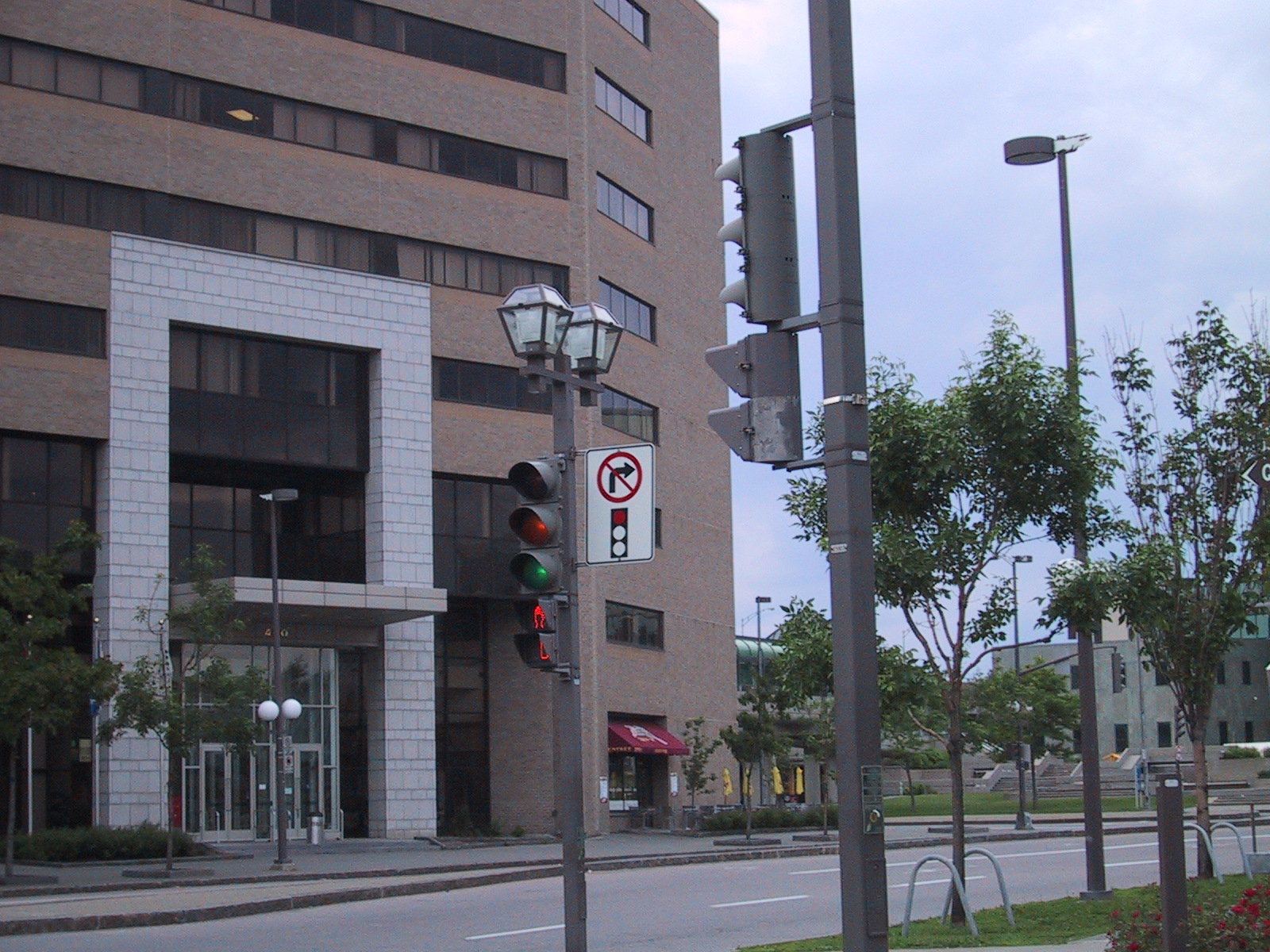
Canada has no “national traffic law” — licensing systems, penalties for violations and licence-exchange deadlines are all set by each province itself. Many new immigrants and international students apply “the rules they learned in BC” directly to Ontario or Alberta, and end up caught out by regulations that came from who-knows-where — the most classic example is the right turn on red: most intersections in BC, Ontario and Alberta allow it, but right turns on red are entirely prohibited on the Island of Montreal in Québec, the only such exception in all of Canada. This article puts the most easily confused rules of the four provinces — BC, Ontario, Alberta and Québec — side by side, so you can sort out the differences before moving province or driving across provincial lines.
Licence tier systems compared
All four provinces use a “graduated” new-driver licensing system, but the stage names and minimum durations differ:
| Province | Learner stage | Intermediate stage | Full licence | Fastest time to a full licence |
|---|---|---|---|---|
| BC | Class 7L (minimum 12 months) | Class 7N (minimum 24 months, reducible to 18 months with an ICBC-approved driver-training course) | Class 5 | About 2.5–3 years |
| Ontario | G1 (minimum 12 months, reducible to 8 months with driver training) | G2 (minimum 12 months) | G | About 20 months and up |
| Alberta | Class 7 (minimum 12 months for those 18 and over, minimum 24 months for those under 18) | Class 5 GDL (minimum 24 months) | Class 5 | About 3 years (must be completed within 5 years, otherwise you must start over) |
| Québec | — (no separate learner-licence stage) | Class 5 probationary period (24 months) | Class 5 | About 2 years, with accumulated demerit points during the probationary period not exceeding the threshold |
Official sources: ICBC Graduated Licensing, Ontario MTO Driver’s Handbook, Alberta GDL steps, SAAQ Class 5.
Right-turn-on-red rules compared
This is the rule that differs most across the four provinces and is the easiest to slip up on:
| Province | Right turn on red allowed? | Notes |
|---|---|---|
| BC | Yes (most intersections) | Must come to a complete stop first, confirm there is no prohibiting sign, and yield to pedestrians and vehicles passing through |
| Ontario | Yes (most intersections) | Must come to a complete stop first; turning right from the wrong lane is a separate violation ($85, 2 demerit points) |
| Alberta | Yes (most intersections) | Must come to a complete stop first, and yield to vehicles and pedestrians already in or approaching the intersection with the right of way |
| Québec | Allowed province-wide, except entirely prohibited on the Island of Montreal | The entrances to downtown Montreal (bridges, tunnels, around the airport) all have signs as reminders; turning right without stopping is penalized the same as running a red light |
Official source: SAAQ rules on right turns on red (including the Montreal exception).
Common penalties compared (running a red light, distracted driving)
| Violation | BC | Ontario | Alberta | Québec |
|---|---|---|---|---|
| Running a red light (failing to stop) | $167 / 2 points | From about $260 (up to $150–500) / 3 points | $405 / 3 points (camera-enforced cases carry the fine only, no demerit points) | Per SAAQ announcements; the penalty is the same as for failing to stop before a right turn on red in Québec |
| Distracted driving (holding / using a phone) | $368 / 4 points | From about $615 for a first offence, 3 points + 3-day suspension; repeat offences are heavier | $390 / 3 points | About $300–600 / 5 points; repeat offences double the fine and may bring a 3–30 day suspension |
Official sources: ICBC, Ontario.ca distracted driving, Alberta.ca distracted driving, SAAQ distracted driving. In every province, accumulating demerit points to a certain threshold triggers a suspension or extra insurance premiums, and the thresholds and calculation methods vary widely (for example, Québec’s 2026 thresholds are 4/8/12/15 points depending on age and licence type); check each province’s official page for details, and don’t apply one province’s threshold to another.
School-bus stopping rules
All four provinces require that when a school bus flashes its red lights and extends its stop sign, vehicles behind it and in the oncoming direction must stop until the bus retracts the sign and moves off again; the only shared exception is roads with a physical divider in both directions (a median or barrier), where the oncoming lanes do not need to stop. Each province’s definition of a “physical divider” and its penalty details are not entirely the same, so in practice, if you’re in any doubt, stopping as soon as you see flashing red lights is the safest choice.
Newcomer licence-exchange deadlines compared
| Province | Period a foreign licence may legally be used | Can a reciprocal agreement waive the road test? |
|---|---|---|
| BC (ICBC) | Must exchange within about 90 days of becoming a resident | Depends on whether the issuing jurisdiction is on the reciprocity list; Taiwan is on the list (passenger cars only, motorcycles not included) |
| Ontario (DriveTest) | Must exchange within about 60 days of becoming a resident | Taiwan is on the reciprocity list, usually requiring 2 or more years of driving experience |
| Alberta | Must exchange within about 90 days of becoming a permanent resident | Depends on whether the issuing jurisdiction has a reciprocal agreement with Alberta; those without an agreement must start from the Class 7 knowledge test + Class 5 road test |
| Québec (SAAQ) | Must exchange within about 6 months | Depends on whether the issuing jurisdiction is on the SAAQ reciprocity list; those not on the list must retake the knowledge and road tests |
Official sources: ICBC, DriveTest, Alberta.ca, SAAQ. Note that these day counts are “licence-exchange deadlines,” which are separate from insurance and car-rental age limits; for the actual exchange process and required documents, refer to the current official announcements of the province where you land.
Parking rules: provincial law is only the skeleton — the real rules are the city bylaws
One thing to flag in particular: the above are “provincial” traffic laws, but parking rules are almost all bylaws set by municipal governments themselves, and different cities in the same province (for example, Vancouver and Richmond in BC) can have completely different rules. To look up parking details, this site has a separate complete guide to parking rules in Canada, which uses Vancouver as an example to cover meters, resident permits, loading zones and towing rules.
Leave a Reply