
Updated: 2026-06-17 | Real-time details are subject to official announcements.
Torontonians have always had a slightly conflicted relationship with soccer: in this city’s winters, the talk is of hockey, basketball and baseball, with soccer usually further down the list. But the summer of 2026 will be different—this is the first time the men’s World Cup is being played on Canadian soil, and the very first whistle blows at BMO Field on Toronto’s lakeshore. If you’re planning a trip to catch some matches, or simply want to know what’s about to happen on your doorstep, this piece lays out the venue, schedule, transit and the “what if I don’t have a ticket” question clearly, with every fact checked against official announcements.
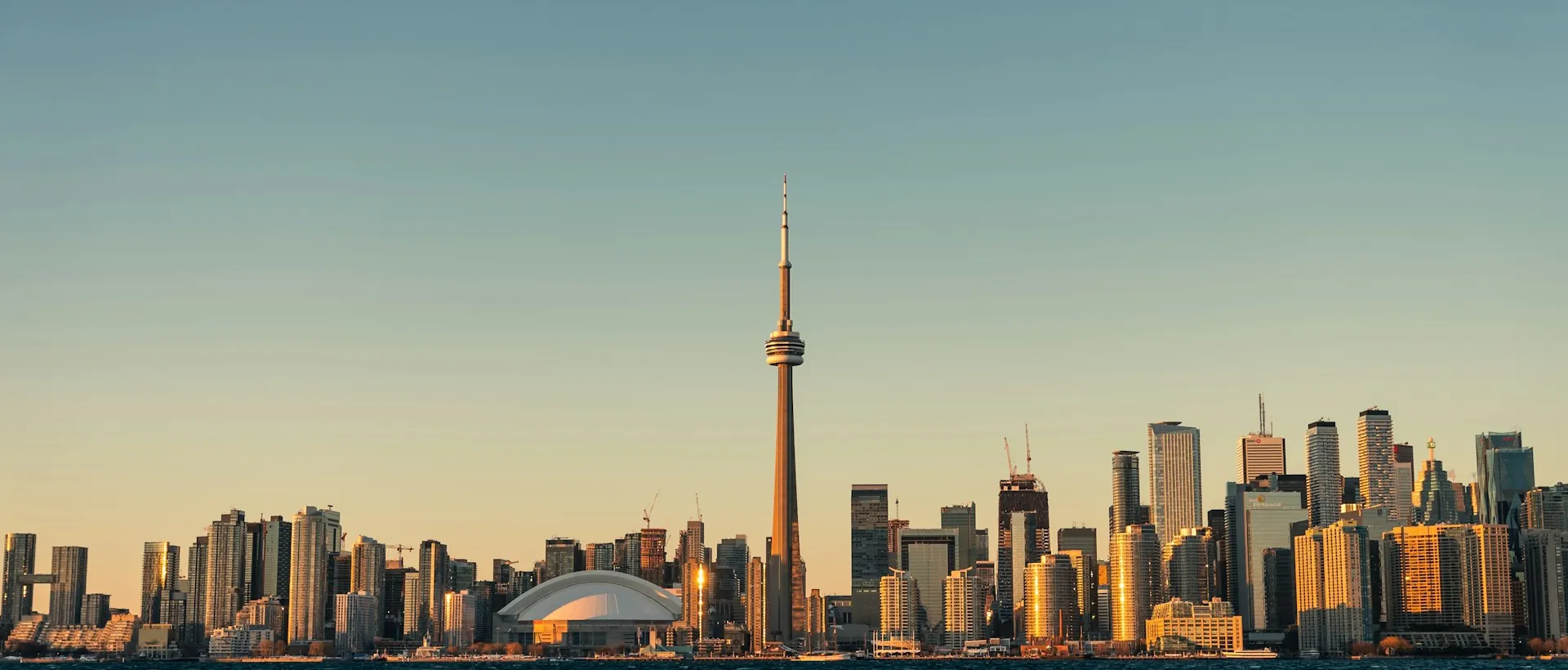
First, let’s clear up a common misconception. Many early reports wrote about “Canada’s three host cities,” but that actually mixed up the three North American host nations (Canada, the United States and Mexico) with the host cities inside Canada. In reality, the 2026 World Cup has only two host cities in Canada: Toronto and Vancouver, which between them will stage 13 matches—Toronto at BMO Field and Vancouver at BC Place. So you can safely ignore any mention of a “third Canadian city.” As Canada’s most populous and most diverse city, Toronto landing the slot for “the first men’s World Cup match on Canadian soil” carries real symbolic weight for local fans; for travellers coming from afar, the bonus is that beyond the football, the city itself offers plenty to explore over several days.
Don’t get lost once you’re there: per FIFA convention, commercial naming is not used during the tournament, so during the World Cup, BMO Field will appear under the neutral name “Toronto Stadium” in official materials and signage. It is normally the home of Toronto FC and the Canadian national team, and to meet FIFA’s capacity requirement of more than 45,000, around 17,000 temporary seats have been added (a temporary stand section added to each of the north and south ends), expanding capacity to roughly 45,000 seats, to be removed after the tournament. The venue sits on the west side of downtown at Exhibition Place (address 170 Princes’ Blvd), right next to Lake Ontario, surrounded by the exhibition grounds and the lakeshore promenade, so finding something to eat or somewhere to stroll before and after matches is easy.
Toronto will host 6 matches in total, comprising 5 group-stage matches and 1 Round of 32 knockout match. The fixtures and times below follow Toronto’s official host website (torontofwc26.ca) and FIFA announcements, with times in Eastern Time (ET):
| Date (ET) | Kickoff | Match | Stage / Group |
|---|---|---|---|
| June 12 (Fri) | 15:00 | Canada vs Bosnia and Herzegovina | Group B (first men’s World Cup match on Canadian soil) |
| June 17 (Wed) | 19:00 | Ghana vs Panama | Group L |
| June 20 (Sat) | 16:00 | Germany vs Ivory Coast | Group E |
| June 23 (Tue) | 19:00 | Panama vs Croatia | Group L |
| June 26 (Fri) | 15:00 | Senegal vs Iraq | Group I |
| July 2 (Thu) | 19:00 | TBD (Round of 32) | Match between Group K / L qualifiers |
A few matches are worth circling. Canada’s opening match on June 12 is the first men’s World Cup match anywhere in Canada; that day there will be an opening ceremony at 1:30 p.m. (ET) followed by kickoff at 3:00 p.m. This will be the hardest ticket to get and the wildest atmosphere. Germany vs Ivory Coast on June 20 is the marquee traditional-power fixture among Toronto’s matches. The Round of 32 match on July 2 won’t have its matchup confirmed until the group stage is finished, so for now you can only mark the date. For the final knockout matchups, and any group-stage changes resulting from results, refer to FIFA’s official schedule.
On transit, frankly, driving yourself to Exhibition Place on a match day is not a good idea—parking nearby is limited and expensive, and combined with the expected traffic restrictions, you can easily get stuck. Locals’ advice to visiting fans is almost unanimous: take public transit. The easiest option is GO Transit; the Exhibition GO station is right beside the venue and is just one stop from downtown’s Union Station (Lakeshore West line, about a 5-minute walk to the venue entrance), and Metrolinx says it will increase service frequency during the World Cup, with up to six trains per hour at peak match times. Next is the TTC streetcar: both the 509 Harbourfront and 511 Bathurst lines stop at Exhibition Loop, a roughly 5- to 10-minute walk to the outer security area; the 509 can be taken from Union Station and the 511 reached by transferring at Bathurst subway station, and the city has also announced extra late-night service on these two streetcar lines for fans partying late after matches. Entry security usually takes longer than you’d expect, especially for popular fixtures, so it’s advisable to arrive at the outer perimeter at least 60 to 90 minutes early; for the safest bet, check the venue’s official website once more before you head out for venue rules and limits on permitted items and bag sizes.
Not getting a ticket doesn’t mean you’re stuck watching at home. Toronto’s official FIFA Fan Festival is set at Fort York National Historic Site and The Bentway, with activities spanning the entire tournament (June 11 to July 19), featuring big-screen broadcasts, live performances and food stalls with flavours from around the world. One thing to note: general admission is free, but you must reserve a ticket in advance online via Ticketmaster to get in—you can’t just walk straight in. Each transaction allows up to four tickets, daily capacity is limited, and popular weekend slots in particular fill up early; as of now most free tickets have already been reserved, and if you miss out, paid premium experiences (upgraded viewing areas, lounges, fast-track entry and the like) are still on offer at the site. The choice of site for this Fan Festival is clever: Fort York is the remains of Toronto’s earliest military fortress, while The Bentway is an urban public space converted from the area beneath an elevated expressway, so alongside the football you also get to know the city’s history and urban renewal—a nice bonus.
On accommodation, demand for Toronto’s hotels and short-term rentals will rise noticeably during the tournament; the closer to a match day and the closer to the lakeshore and downtown, the more sought-after the listings and the more volatile the prices. If your itinerary is roughly set, it’s best to book early, and to keep the budget down you might consider lodging a little further out along the subway or GO lines, where commuting into the city really isn’t much trouble. Beyond the football, Toronto itself is well worth setting aside two or three days for: the CN Tower, the lakeshore promenade, the diverse street food of Kensington Market, and the old brick-factory district of the Distillery District are all within reach. To explore Toronto more thoroughly, see our Toronto travel and match-watching guide, which has more detailed district-by-district and transit advice.
Finally, a few things still to be left to the official sources rather than filled in by guesswork: for ticket prices, remaining tickets and how to buy, rely on FIFA’s official ticketing platform and avoid scalpers or unauthorized channels; the final Round of 32 matchups won’t be confirmed until the group stage ends; and for the detailed scope of match-day traffic restrictions and last-train arrangements, follow the same-day announcements from the City of Toronto, the TTC and Metrolinx. Toronto’s matches are all in Eastern Time (ET), while Vancouver’s matches are in Pacific Time (PT), so if you’re watching across cities or countries, remember to convert the time zones before booking your trip.