
Updated: 2026-06-17 | Duty dates, hours and water quality results follow official City of Toronto announcements.
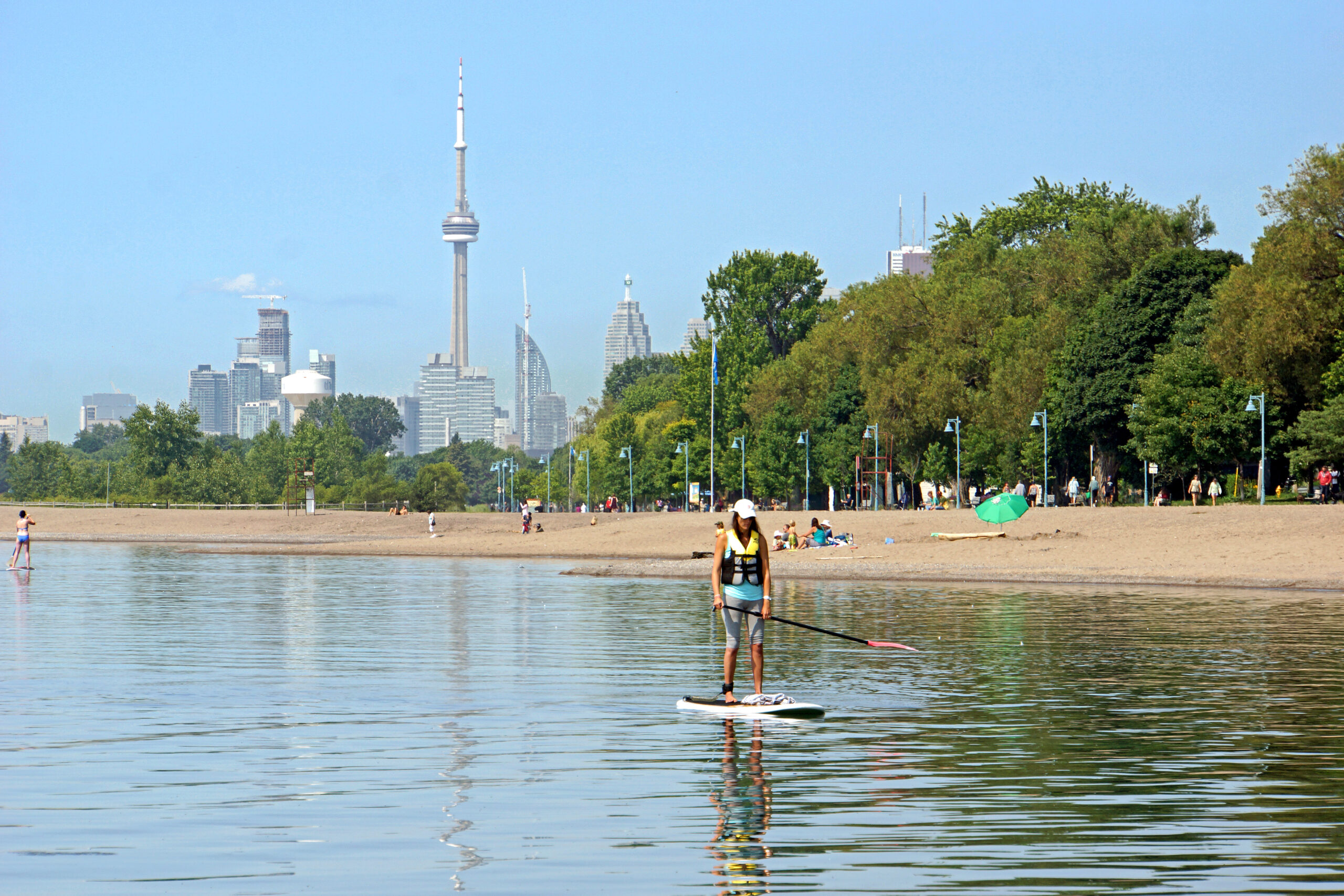
Once June arrives, what Torontonians look forward to most isn’t the temperature hitting 30°C — it’s the city putting the red-and-yellow flags back up on the lakeside beaches and lifeguards returning to their posts. For locals, it’s practically the signal that summer has officially begun; for first-time visitors to Toronto who happen to be here during the 2026 World Cup summer, the free beaches along Lake Ontario are an easy-to-overlook but well-worth-adding stop beyond the matches. This piece rounds up the official 2026 lifeguard information so you can get the safety basics sorted before heading into the water.
According to the City of Toronto, 2026 lifeguard duty runs daily from June 6 through September 7 (Labour Day), across 10 supervised swimming beaches citywide. Hours are split into two periods — something many people miss: after mid-August, closing time moves up by half an hour, officially due to shorter daylight hours. In other words, if you want to swim in the evening, plan to be in the water before 7 p.m. all summer; past that point there’s no lifeguard watching, and the city’s position is clear — swimming outside lifeguard hours and areas isn’t recommended.
| Period | Daily Lifeguard Hours |
|---|---|
| June 6 – August 9 | 10:30 a.m. – 7:30 p.m. |
| August 10 – September 7 | 10:30 a.m. – 7:00 p.m. |
The 10 supervised beaches are: Woodbine Beach (the most popular and largest, in the east end), Kew-Balmy Beach (adjoining Woodbine, the starting point for a walk through The Beaches neighbourhood), Cherry/Clarke Beach (on the east side of downtown), Sunnyside Beach (in the west end, near High Park), Bluffer’s Park Beach (beneath the Scarborough Bluffs), Marie Curtis Park East Beach (at the western edge, near the Mississauga border), and, reachable only by ferry on the Toronto Islands, Centre Island Beach, Ward’s Island Beach, Gibraltar Point Beach and Hanlan’s Point Beach. Seven of these 10 hold international “Blue Flag” certification, indicating they meet a recognized standard for water quality, environmental management and safety. The city notes that not every stretch of shoreline is supervised — remote or informal swimming spots fall outside the coverage. For peace of mind, stick to these official beaches, which also tend to have better washrooms, changing facilities and drinking water. One common myth worth clearing up: names like “Frank Fleming Beach” or “Candy Beach” occasionally circulate online but don’t appear on the city’s official list — don’t treat them as navigation targets. Trust the official list and the red-and-yellow flags over nicknames (and no, Toronto’s latitude doesn’t grow palm trees — don’t be misled by “tropical beach” photos online).
Reading the Flags and Spotting Lifeguards
Toronto uses the international lifesaving flag system, so you can gauge conditions just by looking: a green flag means safe for swimming, a yellow flag means caution due to surf or currents, a red flag means dangerous — no swimming, and no flag at all means no lifeguard on duty and swimming isn’t recommended.
| Flag | Meaning |
|---|---|
| Green | Safe for swimming |
| Yellow | Surf or currents present, swim with caution |
| Red | Dangerous, no swimming |
| No flag | No lifeguard on duty, swimming not recommended |
Lifeguards wear red-and-yellow uniforms and are stationed on white rescue boats or at shoreline observation posts — easy to spot from a distance. Looking up for the flag and the lifeguard before getting in the water is the simplest habit worth building.
Even with lifeguards present, safety is still your own responsibility. A few points that water-safety officials keep emphasizing: only swim where there’s a lifeguard on duty and within the marked swim area — leave that zone and you’re on your own; keep young children within arm’s reach at all times — the lake can look calm right up until something goes wrong; and never swim after drinking, one of the most common factors in drowning incidents. If you’re caught in a current, stay calm and swim parallel to shore rather than fighting directly against it.
One sensory difference worth noting for visitors from Taiwan or elsewhere in Asia: Lake Ontario isn’t the ocean, so waves are usually small, but the water runs cold — often only in the teens to low twenties (Celsius) even at the height of summer, so it’s easy to get chilled after extended time in the water; it’s more comfortable to get out periodically to warm up in the sun. Sun exposure is strong and prolonged, so reapply SPF 30+ sunscreen regularly. On water quality, Toronto Public Health tests beach water daily from June through September (weather permitting), using a threshold stricter than Canada’s general national standard — a reading above 100 E. coli per 100 mL triggers a warning (versus the national standard of 200). Check the day’s result on the city’s Beach Water Quality page before heading out; heavy rain washes surface runoff into the lake and raises bacteria counts, so officials advise avoiding swimming during rain and for roughly 48 hours afterward — skip any beach flagged with a water quality warning.
Getting There and What It Costs
The biggest perk of the lakeside beaches is that admission is completely free, and getting there isn’t difficult either. For the most popular spot, Woodbine Beach, from Union Station downtown, take the subway to a station along the Bloor-Danforth (Line 2) line, then transfer to a streetcar or bus — about half an hour to reach the east-end beach area; for the island beaches like Centre Island and Ward’s Island, you’ll need to take a ferry from the downtown terminal, so factor the ferry schedule into your plans. Parking near the beaches is limited and especially scarce on weekends, so transit is the easier route. Bring your own towel, beach mat and sunscreen — nearby shops sell them too, but at a markup. The costs that actually add up are usually ferry fares, parking (if driving) and food — the beaches themselves are free.
With the 2026 FIFA World Cup co-hosted by three North American countries, Toronto — one of Canada’s host cities — will see a wave of international visitors all summer. Matches are concentrated at downtown venues, but in the gaps between games, the lakeside beaches are a great place to unwind — after the match, a walk along Lake Ontario is one of the best ways to feel how this city blends sport, nature and everyday life. The eastern and western beaches sit some distance from the downtown stadium, so weekdays generally aren’t too crowded, though downtown traffic and transit will be busier on match days — if there’s a game that day, it’s worth leaving earlier and avoiding the post-match rush, and checking the official match schedule and city transit announcements. If you’re planning your World Cup itinerary, consider setting aside half a day for the beach between matches; for more on getting around the city, see the Toronto travel guide or the Complete 2026 World Cup review.
In short, Toronto’s lakeside beaches are one of the few free, professionally supervised summer pleasures the city has to offer. Remember the duty hours, know how to read the flags, and check the day’s water quality before heading out — the rest is just enjoying the sun on Lake Ontario.