
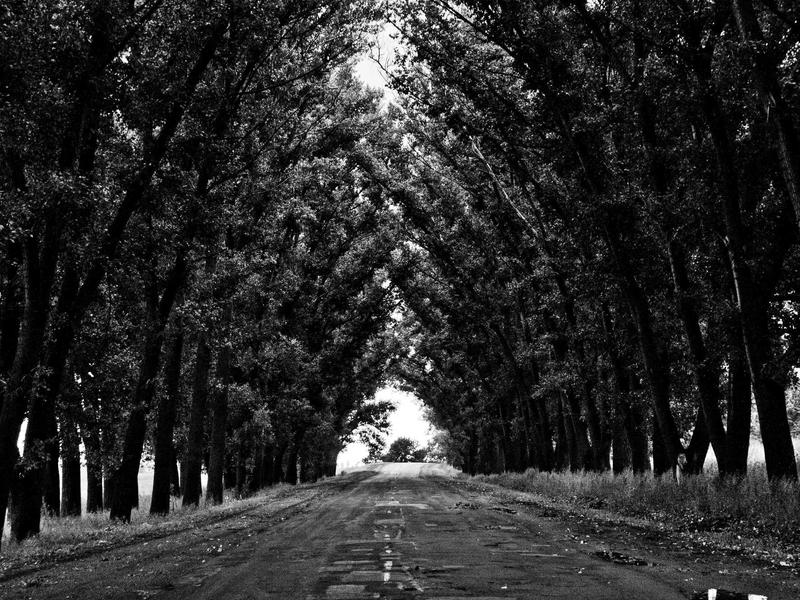
Updated: 2026-06-17 | Ticket prices, operating seasons and road conditions change easily; the official announcements are the final authority
People driving the Icefields Parkway for the first time often assume it is just a “drive-and-look” scenic highway, only to find out on the road that it is nothing of the sort. This northbound Highway 93 runs all the way from Lake Louise to Jasper, about 232 kilometres in total, crossing the continental divide of the Rocky Mountains. There is only one place to refuel along the way, mobile signal is cut off on most of the route, and when the weather changes you can only rely on yourself. In other words, beautiful as this road is, it demands planning ahead, not spontaneity.
It is the most classic stretch of self-drive route in the Rocky Mountains, with viewpoints roughly every short distance along the way where you can see glaciers, turquoise alpine lakes, waterfalls and canyons. It is most suitable for people who have already arranged a trip to Banff, Lake Louise or Jasper, because stringing these three points together is exactly what this road does. But it is not really suitable for people with no mountain driving experience at all who insist on heading out in winter or in bad weather. Summer to early autumn (roughly June to September) has the most stable road conditions and the best visibility; in winter, snow conditions, ice and blizzards can all cause road sections to close, and if you are not confident about winter driving, this stretch is not the place to test your nerve. The table below first lays out the basics clearly:
| Item | Actual situation | Reminder |
|---|---|---|
| Route | Lake Louise ↔ Jasper, Highway 93 northbound, about 232 km | Can be driven in either direction, depending on which end you are staying at |
| Pure driving time | About 3 hours without stopping | If it is your first time or you want to take photos, set aside a whole day (at least 4 hours and up) |
| Suggested stay | At least 1 day | If you want to stop slowly and walk a few short trails, splitting it into 2 days is more comfortable |
| Suitable season | Summer to early autumn is most stable | Winter requires winter driving ability plus real-time road condition checks |
| Suitable for | Travellers self-driving to link Banff, Lake Louise and Jasper | Not recommended for those unfamiliar with mountain roads who hit bad weather to push through |
Which stops along the way make a smoother trip
The most common approach is to set off heading north from Lake Louise, stop at a few key points, and finally arrive in Jasper. There are plenty of worthwhile stops along the way, but honestly, if you only have one day, please pick just 3 to 5 and do not cram in every viewpoint, otherwise you will find yourself spending the whole day going in and out of car parks instead of properly enjoying the scenery.
- Bow Lake: Not far from Lake Louise, it is the first big scenic spot to warm up with, and the colour of the lake water is very photogenic.
- Peyto Lake: Walk a short way up from the car park to the viewing platform; the wolf-head-shaped turquoise lake surface is the signature image of this road. It gets very crowded in summer, so it is best to arrive early.
- Saskatchewan River Crossing: Roughly at the midpoint, it is also the only gas station on the entire route, a good spot to use the washroom and stock up at the same time.
- Mistaya Canyon: You walk a short trail down to see the narrow canyon carved out by the water flow.
- Weeping Wall: A seeping rock wall you can see right from the roadside, which freezes into an ice fall in winter.
- Columbia Icefield / Athabasca Glacier: The highlight of the whole road, where you can view the glacier from a distance and also join icefield activities (fees in the section below).
- Sunwapta Falls: A waterfall near the Jasper end with a short stop time, suitable for wrapping things up.
Many people only count the car rental and fuel costs, forgetting that this entire road is within national park boundaries and that you must hold a Parks Canada pass to drive it, even if you are just passing through without getting out of the car. According to the official 2026 announced prices:
| Ticket type | 2026 price (CAD) | Notes |
|---|---|---|
| Single-day adult | About $12.25 | Suitable for those just driving through once |
| Single-day family / group | About $24.50 | Up to 7 people in the same vehicle |
| Discovery Pass annual pass (adult) | About $83.50 | Valid at all Parks Canada sites nationwide within one year |
| Discovery Pass annual pass (family / group) | About $167.50 | Up to 7 people in the same vehicle; very good value for a multi-day stay |
There is one offer worth noting in 2026: during the Canada Strong Pass period from June 19 to September 7, everyone (including overseas travellers) enters national parks and national historic sites free of admission charge, with no ticket to buy and no registration needed; it takes effect directly on site. But a reminder: only the “park admission ticket” is free, and parking fees, shuttle buses, and the costs of all kinds of activities and guided tours remain as before, so do not imagine everything is free. As for fuel, because the only gas station on the entire route is at Saskatchewan River Crossing, be sure to fill up your tank at Lake Louise or Jasper before setting off, and do not gamble on that one stop in the middle, which can sometimes have queues or higher prices in peak season. As for the Columbia Icefield’s Ice Explorer plus Skywalk tour, it is a paid activity operated by Pursuit, with a 2026 operating season of roughly May 1 to October 12; adult ticket prices fluctuate with the season and time slot, are usually over 100 Canadian dollars, and for the actual amount and sessions please refer to the real-time announcements on the official booking page rather than relying on old data.
A few things to be careful of on the road
The most easily underestimated things are “distance” and “weather”. Most of the mountain route has no stable mobile signal, and navigation may well drop out midway, so be sure to download offline maps before setting off; have warm clothing, water and some food ready in the car, because the dining and service points on this road really are very few, and you may not be able to buy something on the spur of the moment even if you want to. In winter or in bad weather, be sure to check the real-time road conditions from Parks Canada and Alberta first; if you hit a road closure or a blizzard, adjust your itinerary and do not push on, as mountain weather can change in an instant and flexibility matters more than the schedule.
Another reminder for travellers in 2026: Jasper went through a forest fire in the summer of 2024, and currently the town and the national park have largely reopened and welcome visitors, with the entire Icefields Parkway (Highway 93) operating normally; however, a few of the more heavily affected areas (such as some trails and roads) are still being repaired in phases, so if your itinerary includes specific sights at the Jasper end, it is safest to confirm the open status once more on the official page before you set off.
Because this road itself cannot be done as a fully satisfying same-day round trip, where you choose to stay will directly affect how long you have to drive each day. The common approach is to use Lake Louise or Jasper as a base, or simply stay a night in Jasper in the middle and then head back. Accommodation and activity prices fluctuate a lot in peak season, so it is recommended to use official or booking platforms to get real-time prices and to book as early as possible. If you are planning a whole Rocky Mountain or Canada trip, you can refer to the site’s Canada attractions roundup for more pairing inspiration, while practical information on the daily-life and transport side is gathered in the Canada Life Guide.
Finally, to answer the question most people ask: can the Icefields Parkway be driven in a single day? Yes, but it will be very rushed. It takes about 3 hours without stopping, and if it is your first time and you also want to get out to take photos, you will in fact spend the whole day on the road. To properly stop at Bow Lake, Peyto Lake and the Columbia Icefield, it is recommended to allow at least a full day, and if budget and time permit, split it into two days; walking a few more short trails along the way makes it more worthwhile.
Leave a Reply