
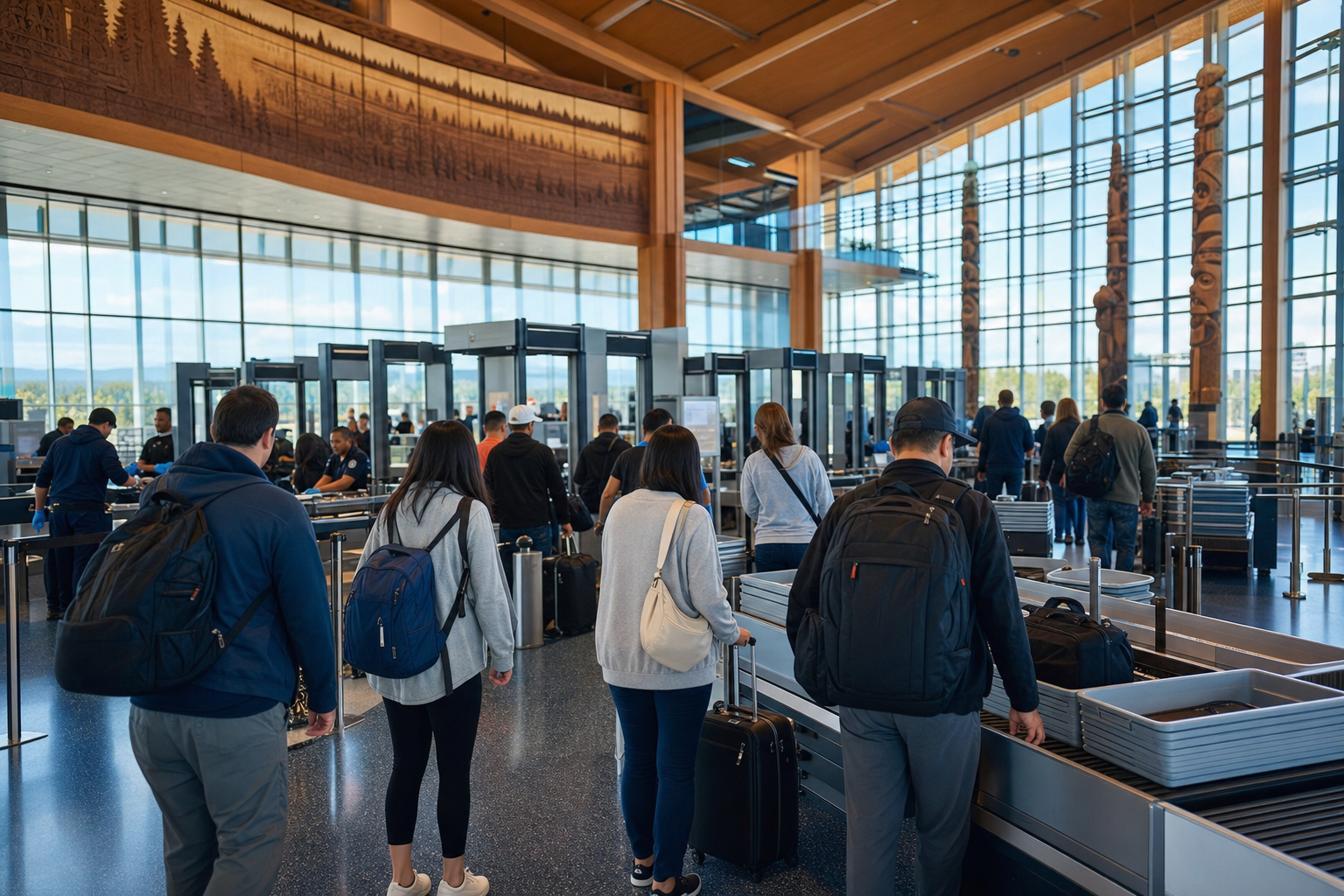
Whether a snack, tea, meat product or fruit can enter Canada cannot be decided from packaging, cooking, or a small quantity alone. Identify the item, check the current rules for its origin and destination, and declare it when you arrive. A declaration lets border officials assess the product; it does not guarantee admission or mean that the item will be seized.
- Identify the exact product.Note its name, ingredients, whether it contains meat or dairy, how it was processed and packed, its country of origin, and its quantity. Include plants, seeds, wooden items, animal products and related souvenirs in your check. Keep the original label available. Similar-looking foods can be treated differently because their ingredients or origin differ.
- Check CFIA’s personal-use information for the correct origin.The Canadian Food Inspection Agency (CFIA) separates travel from the United States from travel from other countries, then lists conditions and quantity limits by product. Do not apply the U.S. column to an item from Taiwan or another country. Personal use or a quantity below a listed limit does not override restrictions under animal-health, plant-protection or other laws. Read CFIA’s personal-use food rules.
- Use AIRS when a product needs a specific check.CFIA’s Automated Import Reference System (AIRS) provides import requirements for commodities regulated by CFIA. Search by the precise commodity, then select its origin, the Canadian destination province and its end use where requested. AIRS is a reference tool and is updated frequently. CFIA says users must consult applicable legislation to interpret and apply the law, so a search result is not automatic permission to import. Read CFIA’s AIRS guide.
- Declare food, plants and animal products when you arrive.CBSA tells travellers to declare food, plants, animals and related products they bring into Canada. If you are unsure whether an item is restricted, declare it and ask an officer. Requirements can depend on the product, country of origin and province of import, and may change as risks change. Read CBSA’s traveller guidance.
- Let officials make the admission decision.If an officer asks to inspect an item, show its packaging, ingredients and origin information and follow the instructions given. An item may be admitted, restricted, require documents or be refused. Neither an online search nor a declaration guarantees release. Recheck official information shortly before departure, especially for fresh produce, meat, seeds, and other plant or animal products.
For related border procedures, see our Canada–U.S. border guide. For visitor entry documents, see our Canadian visitor visa and Visitor Record guide. Neither replaces the product-specific rules from CFIA and CBSA or an officer’s assessment of your case.
Also separate admissibility from duties and taxes. CFIA notes that food can be subject to additional duties or taxes; an AIRS result is not a tax exemption decision. If your itinerary, product or quantity changes, check the current information again instead of applying an earlier result to a different item.
Requirements can vary by product, origin, destination and date. If the product details are incomplete or an AIRS result is unclear, contact CFIA before travelling. Declare the item accurately on arrival and ask CBSA; do not rely on a generic online list as proof that an item is admissible.