
Content reviewed October 12, 2026 (Taipei time).
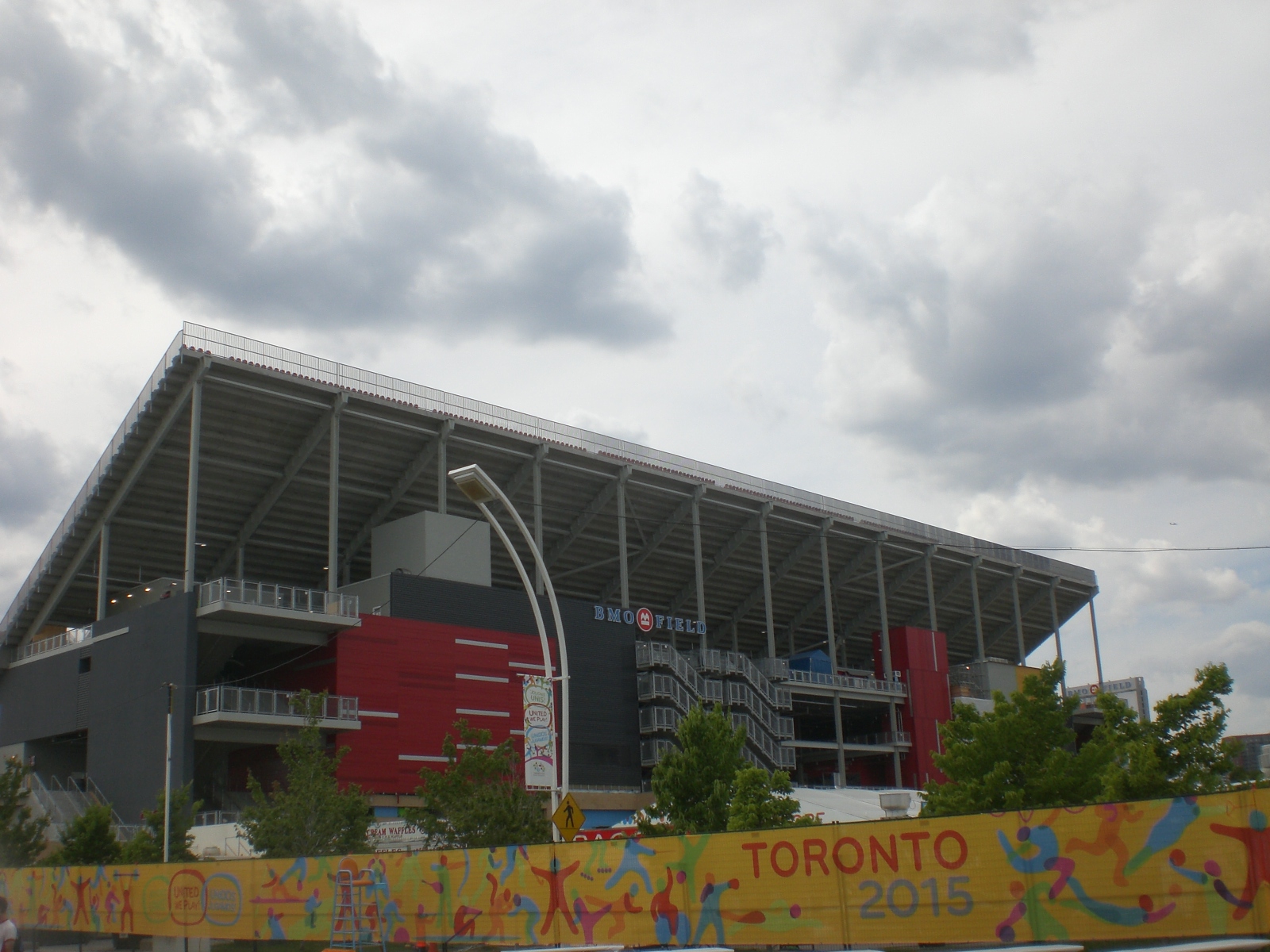

The 2026 World Cup has ended. This review records how Toronto prepared to host it; it is not a ticket or transport guide for a future tournament. Toronto and Vancouver were Canada’s host cities. Toronto’s May 2026 announcement set out six matches from June 12 to July 2: five group games and one round-of-32 match. Forecast benefits, extra services and recruitment targets in pre-event documents are not evidence of achieved outcomes or arrangements still in force today. Official information. Official information.
The venue at Exhibition Place is normally called BMO Field and appeared in World Cup material as Toronto Stadium; these are not two different stadiums. On March 24, 2026, the City and MLSE announced completion of the major upgrades. Construction began in December 2024, with phase one completed in September 2025 and phase two in March 2026. Temporary seating increased capacity from roughly 28,000 to about 45,000. The City said those seats would be removed after the tournament, so 45,000 must not be presented as permanent capacity. Official information. Official information.
Seat expansion should be distinguished from lasting improvements. The City listed permanent work on four corner LED screens, lighting, the public-address system, Wi-Fi, accessible routes and seating, food service and hospitality spaces. Phase two also renewed the pitch and player areas. This shows that preparation extended beyond extra seats. An announcement that construction was complete, however, does not establish that entry and exit ran smoothly at every match or that roads and hotels across the city were comprehensively upgraded. Official information.
The Fan Festival sites were Fort York National Historic Site and The Bentway. The May 6, 2026 announcement specified 22 event days between June 11 and July 19, not daily opening throughout that period. General admission was free but required a digital ticket reservation; paid premium experiences were separate. By June 5, the City reported that all free general-admission allocations had been reserved. These were historical admission arrangements, not tickets to buy now, and free did not mean unrestricted walk-in access. Official information. Official information.
The mobility plan prioritized public transport. Restrictions covered the stadium, Exhibition Place, Liberty Village and the Fort York area, with different times and locations. Event-period parking limits, temporary turning and curb restrictions, and designated pickup and drop-off areas outside the restricted zone were designed for tournament crowds. They must not be carried forward as permanent rules for visiting BMO Field today. Stations, walking entrances and closure dates together explain how the access plan worked. Official information.
On June 3, 2026, the TTC announced World Cup service changes starting June 7. These included the 311 Bathurst and 309 Harbourfront overnight services and additional service on routes such as 504 King, 509 Harbourfront and 511 Bathurst. The 510 Spadina service was also shortened at the time, with passengers travelling to Union transferring to the 509. These details describe historical operations; they do not promise current frequencies, overnight service or transfers. Here, 311 is a bus route number, not the municipal telephone service. Official information.
Regional transport should also be kept distinct from the TTC. The City’s June 5 information described some additional GO and UP Express services operating June 10–July 5, with regular service resuming July 6. Extra service on GO’s route 12 Niagara bus continued separately through July 19. Operators, routes and end dates matter: this was not a single enhancement across the entire Greater Toronto Area that continued after the World Cup. Official information.
Volunteer preparation involved distinct responsibilities. The November 2025 volunteer-centre document identified Humber’s Lakeshore Campus as the base for recruitment, training, accreditation and uniform distribution. Roles included fan reception, accessibility assistance, media and logistics, and host-city reception at airports, transport hubs and visitor locations. This was a plan, not an attendance record. Recruitment targets therefore cannot be reported as the final number who served, nor is there evidence here that every volunteer completed multilingual training. Official information.
The City also identified the Soccer Hub at Centennial Park as Toronto’s official training site, including its fields and supporting facilities. Its June 5 document said FIFA would manage the site during the tournament, with a planned return to City use afterwards. That supports the preparation of a training and community facility, but does not establish a subsequent reopening date, available booking slots or measured results. Anyone using it now needs current information for that facility. Official information.
For a Toronto visit today, use the Toronto guide to choose city stops, then check the TTC’s current trip planner and service alerts. This article preserves the preparation timeline. Without verifiable citywide accommodation price increases or a guaranteed money-saving booking window, it gives neither fixed hotel prices nor advice on buying tickets for an event that has ended. Keeping lasting infrastructure, historical events and present travel conditions separate prevents a pre-event announcement from becoming an unsupported promise about today. Official information.