
Updated: 2026-06-17 | Event dates, ticket prices and opening hours are subject to change; for real-time information, please refer to official announcements
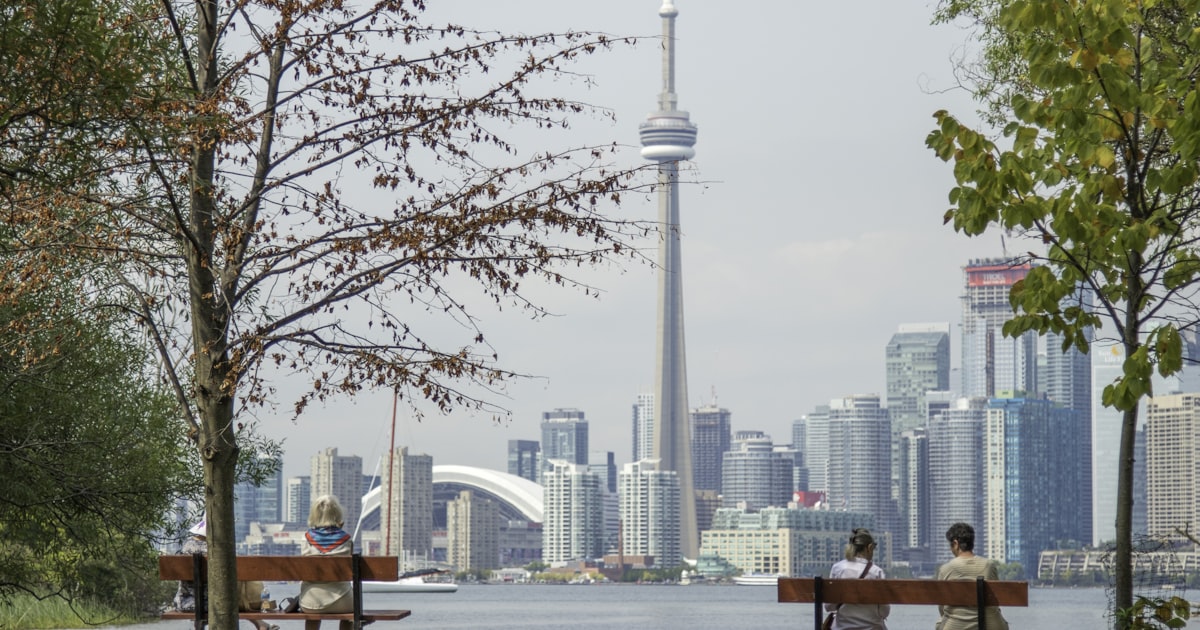
When most people travel to Toronto, the first stops that come to mind are the CN Tower, Lake Ontario or the Eaton Centre. But if you are willing to put in a little more thought, you will discover that the city’s name itself holds a piece of history—in an Indigenous language, Toronto is “Tkaronto,” and many locals use this spelling to remind everyone that the story of the land beneath our feet is far older than the founding of Canada. Indigenous reconciliation is not a sightseeing photo-op topic, nor should it be consumed as exotic flavour; the point I want to share is really quite simple: understand first, then take part, and always defer to the official accounts of the city, the museums and the Indigenous communities. We do not speak on behalf of any community; we are only organising trustworthy starting points for people who want to travel with a respectful attitude.
First, let’s talk about “whose land this is.” The City of Toronto has an official Land Acknowledgement, publicly posted on the city’s website, which clearly states that this land is the traditional territory of many nations including the Mississaugas of the Credit, the Anishnabeg, the Chippewa, the Haudenosaunee and the Wendat, and is now home to many First Nations, Inuit and Métis peoples. The city also notes that Toronto is covered by Treaty 13, signed with the Mississaugas of the Credit, as well as the Williams Treaties, signed with several Mississauga and Chippewa nations. Another concept that is often mentioned is the “Dish With One Spoon”—this is an agreement among the Anishinaabe and Haudenosaunee allied nations, symbolising the sharing of the land around the Great Lakes and the joint care of the resources within this “dish”; there is only one spoon on the table and no knife, meaning everyone shares and keeps the peace rather than each plundering for themselves. Understanding this background will make it easier for you to follow the context when reading local interpretive signs or listening to a guided tour. If you only want to remember one thing: a land acknowledgement is not a ceremonial opening remark but a starting point reminding travellers that “you are a later arrival”; for the actual wording, please go directly to the city’s official page, and do not copy the inconsistent paraphrases found online.
Places You Can Actually Visit
The following are all Indigenous-related sites officially listed by Destination Toronto, located downtown and in the surrounding area, suitable for fitting into a half-day to full-day itinerary. The ticket prices, opening hours and tour times of each venue are all subject to change, so before you set out please refer to the official websites.
| Location | Type | Location & Transit | Best For |
|---|---|---|---|
| Native Canadian Centre of Toronto (NCCT) | Community cultural centre, art displays and gift shop | 16 Spadina Road (north of Bloor Street), within walking distance of Spadina subway station | Those who want to connect with the local community or are learning about it for the first time |
| Art Gallery of Ontario (AGO) | Art gallery, including Indigenous and global Indigenous art collections | Dundas Street West downtown, St. Patrick subway station | Those who love art and want to see contemporary works |
| Bata Shoe Museum | Footwear museum, including North American Indigenous and polar footwear collections | Around Bloor Street West and St. George | Those interested in material culture and craftsmanship |
| First Story Toronto (App / Bus Tour) | Indigenous landscape tour, about 3 hours | The route covers many landmarks downtown | Those who want to understand the city’s history through a walking-reading approach |
About NCCT: it was founded in 1962 and is one of the oldest urban Indigenous community centres in Canada, located on Spadina Road (Ishpadinaa in an Indigenous language). It has long provided community services and also offers tours introducing Tkaronto and the centre’s history of more than sixty years. Whether tours require a reservation, the current sessions and the cost—please first check ncct.on.ca or call to confirm; this article does not lock in fixed times so as to avoid misleading you. Food is often the most natural way to make cultural contact: among the Indigenous cuisine options listed by Destination Toronto, the one more frequently mentioned is Tea-n-Bannock, which serves First Nations-style dishes such as bison burgers, stew and bannock bread; there are also restaurants focused on Indigenous and fusion cuisine. For specific addresses, opening hours and reservation methods, we suggest checking the latest information directly on Google Maps, as crowds are larger on weekends and during festivals.
Which Season Is Most Worthwhile: Indigenous-Related Events
Every June is Canada’s National Indigenous History Month, and Toronto has an especially large number of events during this period. The following are all common items listed by the tourism board, but the exact dates, venues and whether registration is required change every year, so please refer to the organisers’ announcements: the imagineNATIVE Film + Media Arts Festival is one of the largest Indigenous film and media arts festivals in the world and has traditionally been held in June (the 2025 in-person sessions took place in early June); the Na-Me-Res Traditional Pow Wow is a gathering of traditional dance and drumming with a lively atmosphere; in addition, downtown venues such as Nathan Phillips Square, Yonge-Dundas Square and Fort York often host sunrise ceremonies, art festivals or commemorative gatherings. Attending a Pow Wow or any ceremony comes with basic etiquette: follow the host (MC) and the venue’s rules, do not take photos during certain dances or moments, and confirm the day’s rules before entering. Treat yourself as an invited guest rather than a tourist out to gawk at the exotic, and you usually won’t go wrong.
As for what travellers can do and what they should avoid, there is no standard answer to this part, but there are a few directions worth keeping in mind. Read official and community sources first: the city’s land acknowledgement page, museums’ curatorial notes, and event pages hosted by communities themselves are all more reliable than third-party blogs. Respect the land acknowledgement: when you hear an acknowledgement at an event or venue, take it seriously rather than treating it as a gap in which you can scroll your phone. Spend with the right people: if you want to buy crafts or artwork, try to choose Indigenous-owned or -authorised shops and artists rather than souvenirs of unknown origin. Avoid stereotyping: Indigenous peoples are not a single group, nor are they a “past tense” story; avoid treating culture as decoration, and don’t take any single experience as the whole. Finally, when unsure, ask and check: confirming the rules before taking photos, entering a particular space or taking part in a ceremony is better than apologising afterwards.
How do you fit it into your itinerary? If you were already going to explore the Bloor–Yorkville area, the NCCT and the Bata Shoe Museum are not far apart and can be strung together into one afternoon; if you want to add art, then connect the AGO into that downtown stretch. For travellers visiting during the World Cup or the summer peak season, June happens to coincide with Indigenous History Month, and leaving half a day in your itinerary for a Pow Wow or a film festival will be more memorable than fitting in one more photo spot. As for budget, walking and some community spaces are almost free, with the main costs falling on museum admission and dining; ticket prices fluctuate, so please refer to the real-time information on the official pages. If you want to plan other aspects of Toronto together, you can refer to our Toronto Guide and Canada Attractions to connect cultural understanding with a general sightseeing itinerary. A reminder: event dates, ticket prices, opening hours and tour times change at least once every one to three months, and are especially prone to adjustment during the World Cup, so before you set out please be sure to return to the official pages of the city, Destination Toronto and each venue to confirm once more—this article organises starting points and an attitude framework, and does not replace official announcements.
Leave a Reply