
Updated: 2026-06-19 | Real-time data subject to official announcements
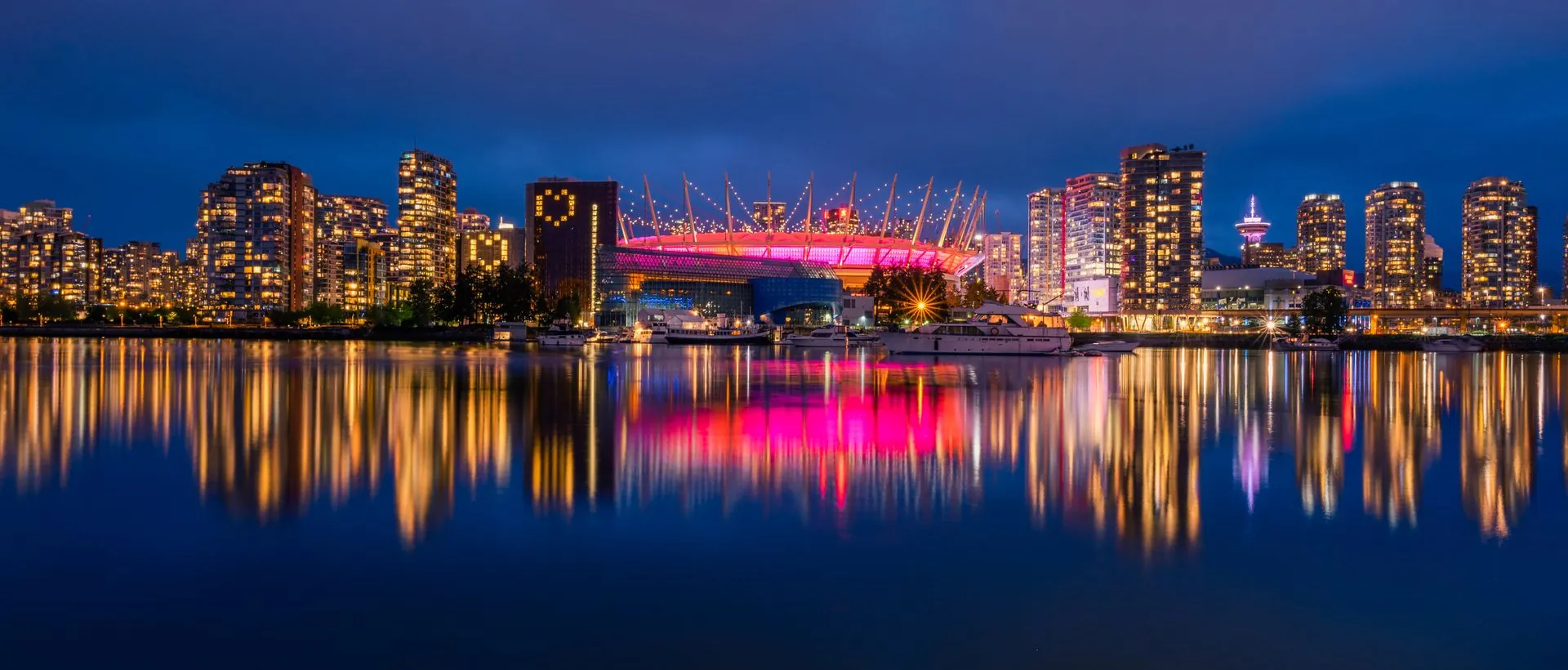
The first 2026 World Cup match in Vancouver pushed public transit around BC Place to a high not seen since the 2010 Winter Olympics. According to TransLink’s official press release and reporting by Daily Hive, the Group D match between Australia and Türkiye on the evening of Saturday, June 13 set TransLink’s record for the “busiest Saturday on a BC Place event day” since the Vancouver Winter Olympics—surpassing even the crowds from Taylor Swift’s Eras Tour concert and the match when Messi visited the Whitecaps with Inter Miami. As an aside, in that opening match Australia won 2:0; the score and result remain subject to FIFA’s official record.
It’s worth clarifying upfront that this is not an absolute “highest single day in the system’s history” record, but rather a new high for a specific type (BC Place event day, Saturday) since 2010. Media headlines often frame it as an “all-time record,” but the official wording actually has a limited scope—something worth sharing with readers who want to cite the figures.
In terms of specific numbers, TransLink reported that the entire system recorded over 1 million boardings that day, roughly 648,200 trips, an increase of nearly 18% over a typical Saturday. The growth varied across modes, and laying it out in the table below makes the comparison clearer:
| Mode | Boardings on 6/13 | Typical Saturday | Growth |
|---|---|---|---|
| SkyTrain | about 447,200 | about 357,700 | +25% |
| Bus | about 558,000 | — | +6.6% |
| SeaBus | about 24,500 | about 17,800 | +37.4% |
The numbers show that SeaBus had the strongest percentage growth (over 37%), which to some extent reflects the many people coming over from the North Shore to watch the match; while in absolute terms, the SkyTrain network is the true backbone of the crowd movement, carrying nearly 90,000 extra boardings in a single day. In other words, a very high proportion of fans that evening chose to take rail and ferry rather than drive into downtown themselves—BC Place is located right in downtown Vancouver, surrounded by densely clustered stations, and this pattern of a major event being heavily reliant on rail transit is actually not that common across North America.
For fans still heading to the venue, this opening match served as a preview of the rhythm for the coming weeks. Vancouver’s BC Place will host 7 World Cup matches in total this tournament (5 group-stage matches plus 1 round of 32 and 1 round of 16), and Canada’s team has two home matches scheduled here as well. The further along the schedule and the more crucial the knockout rounds, the denser the departing crowds will be, so we recommend that those attending in person leave extra buffer time for both arrival and departure, and make good use of nearby stations such as Stadium–Chinatown beside BC Place to spread out the flow. TransLink is running more frequent service and special crowd-movement arrangements during the matches; the latest schedules and real-time status remain subject to announcements on the TransLink website.
Another point worth viewing alongside this: Canada’s World Cup this tournament is shared between two cities, Vancouver (BC Place) and Toronto (BMO Field), hosting 13 matches combined. Vancouver’s impressive transit figures effectively provide Toronto on the east coast with a reference sample for a crowd-pressure stress test, and the organizers in both cities should be able to learn from each other and optimize fan flow. To get a handle on the schedule and viewing information all at once, you can refer to this site’s World Cup home page and the full schedule overview.