
Updated 2026-10-16. Film-industry figures vary by year, method and production scale. Provincial data should not be presented as a Vancouver city total.
“Hollywood North” is a familiar nickname, but Vancouver’s screen industry is more than the productions visible on city streets. Creative BC describes British Columbia’s motion-picture sector as a production chain spanning development, pre-production, filming, visual effects, animation and post-production, supported by studios, specialist suppliers, and creative and technical workers. Vancouver is one part of that provincial network; province-wide figures cannot establish a city ranking or local headcount.
Scope matters when reading the numbers. Creative BC estimated B.C. film and television production spending at $3.56 billion across 372 projects in 2024. The estimate covers the province and combines confirmed tax-credit activity with projects that registered an intent to apply. Creative BC notes that some of those projects may change as they move through the process, so the total can be revised. It offers context on the provincial industry, not a Vancouver-only economic total or a promise of employment. Production spending, project counts and how busy crews feel do not necessarily move together.
How the industry fits into the city
The sector depends on connected work: production teams, locations and studios, equipment and specialist services, plus visual-effects, animation and post-production work. Creative BC describes these as parts of the provincial ecosystem. Which places and facilities a project uses depends on its needs and schedule. B.C.’s film tax credits also have separate programs and eligibility rules; a rate for one program should not be treated as a grant available to every production filmed in Vancouver.
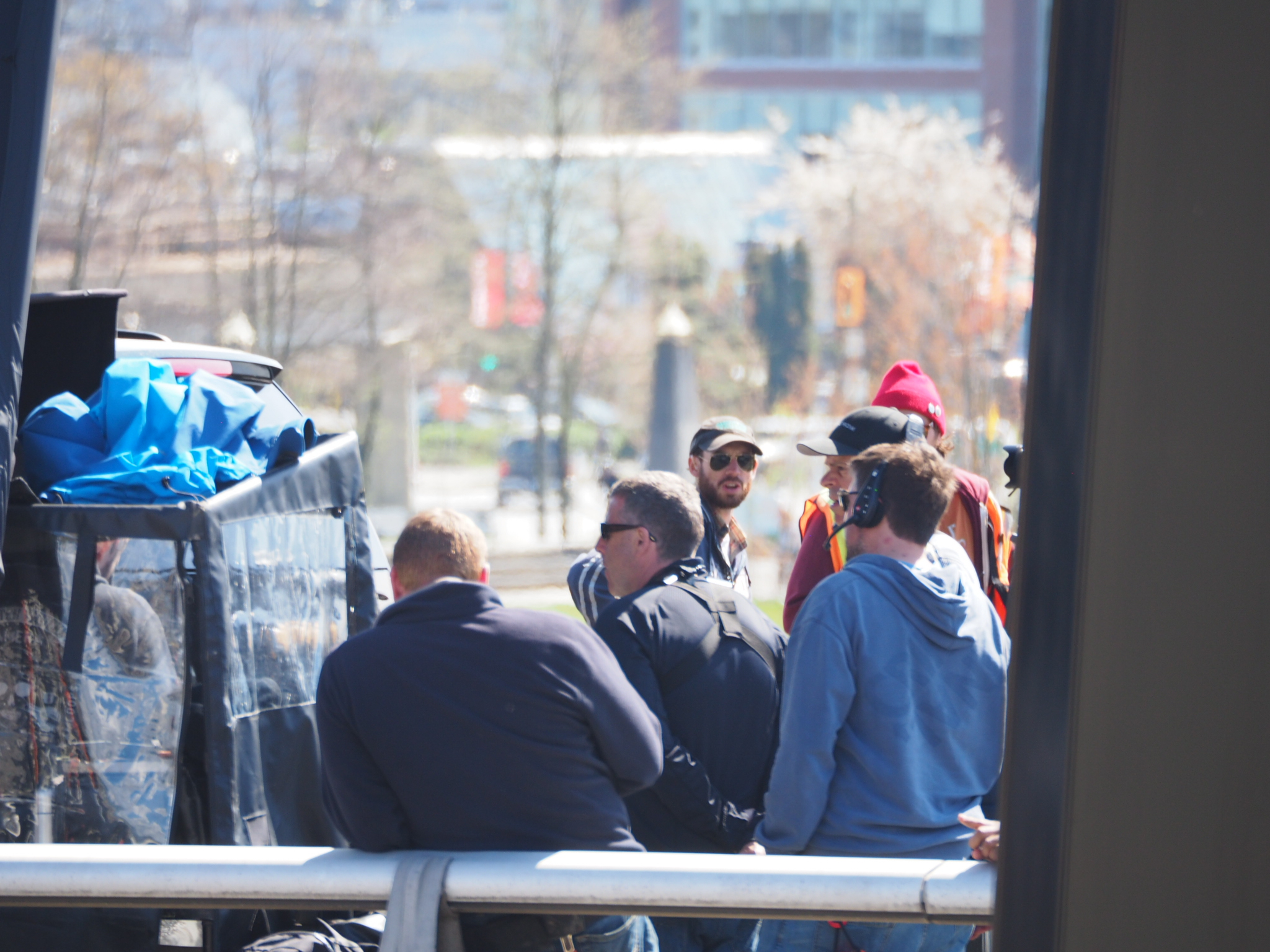
For residents and visitors, the most visible effect may be an occasional change to how a street or public space is used. The City of Vancouver’s public-location process includes permits and community notification; its guidance says basic neighbourhood notice should allow at least two full business days. Streets, parks and other sites can involve different authorities, and arrangements vary by activity. When a notice or crew direction is posted, follow the marked route, stay outside controlled areas and leave room for possible traffic or parking changes. A filming set is a workplace, not a scheduled visitor attraction.
The City also says it does not release specific filming-location information. Restrictions on popular or sensitive locations can change, so fan-made maps are not a reliable source for current shoots or public access. This guide does not provide routes for tracking actors or crews. Public screenings and organizer announcements are a better way to engage with screen culture.
The 2026 Vancouver International Film Festival ran from October 1 to 11, and its official page now marks that edition as finished. Dates, programmes, venues and ticket details for future editions should be checked when the festival publishes them. Outside festival season, VIFF Centre hosts curated screenings throughout the year. If your visit coincides with a programme, check VIFF’s year-round listings and the 2026 festival archive for context, then confirm showtimes, age restrictions and ticket terms on the current event page.
The screen industry is both production work and a network of technical and creative services. For data, start with Creative BC’s industry overview and its 2024 B.C. statistics, keeping provincial and city-level claims separate. For a city itinerary, pair this with our Vancouver travel guide. Filming locations and schedules are not ordinary visitor information; rely on formal notices that the City or production makes public.
The featured photograph shows a 2015 Deadpool film set on a Vancouver street. It is historical illustration, not information about a current shoot or location. Photo by Roland Tanglao; original file on Wikimedia Commons, CC0 1.0.
