
Updated October 8, 2026.
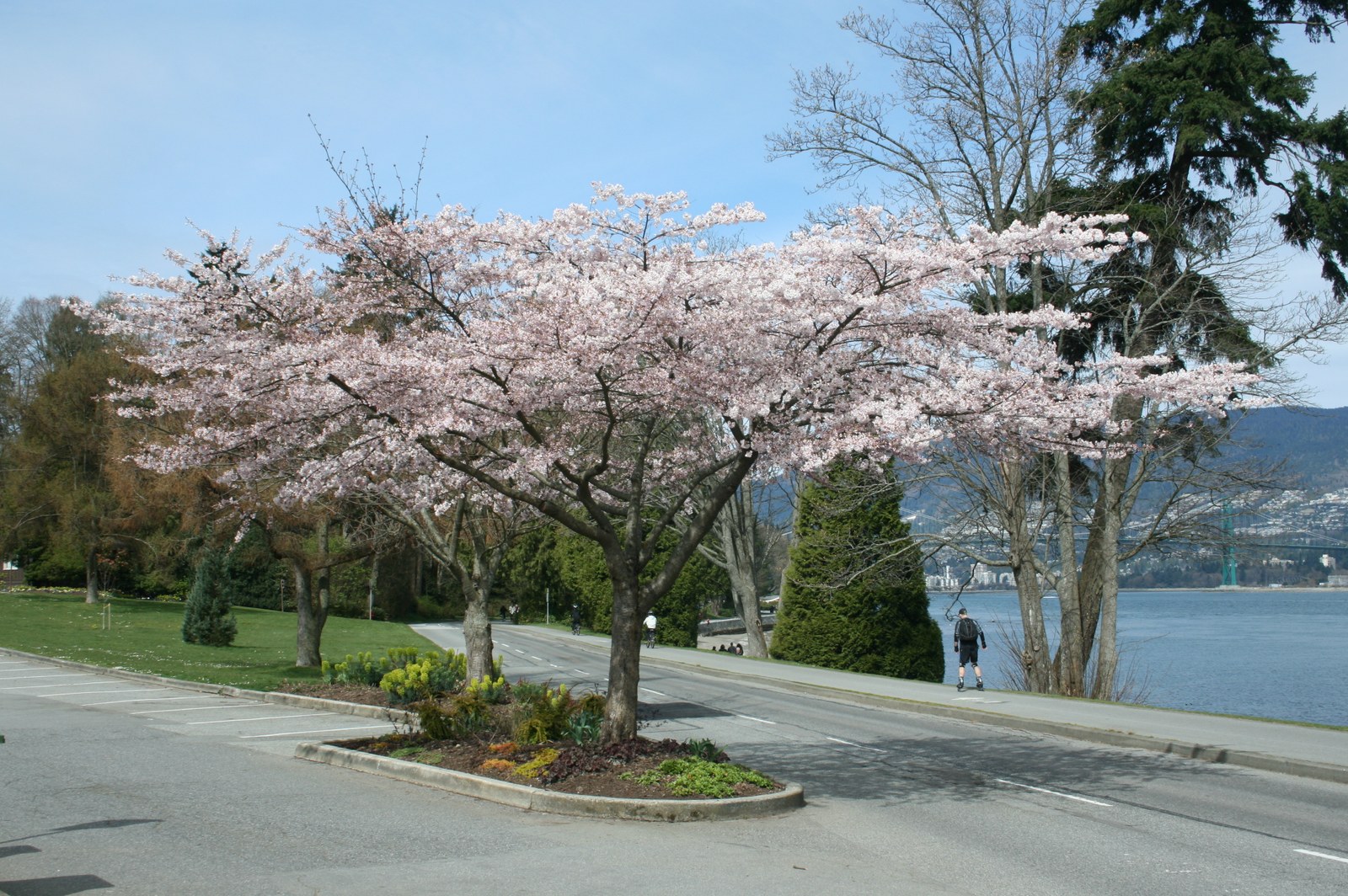

An interview with UBC researchers published on July 6, 2026 revisits unusual coyote incidents in Stanley Park between December 2020 and August 2021: 45 attacks involving bites or scratches to people, plus 63 encounters involving lunging or threats. These are historical incident records, not another 45 attacks in 2026 or a measure of a visitor’s current individual risk.
The researchers said increased pandemic-era visitation may have accelerated habituation to people, reducing coyotes’ fear and encouraging more interactions. There was anecdotal evidence of feeding, but other factors were also involved. The findings do not mean that feeding caused every attack. The interview also describes associations with jogging, being alone, low-activity periods such as early morning or late night, and proximity to dens; these observations are not causal guarantees for every encounter.
Prevention starts with food and distance. The City’s coyote guidance advises against direct or indirect feeding, calls for securing garbage, compost and outdoor pet food, and notes the park prohibition on feeding wildlife. It identifies January through June as breeding season, when coyotes may be more active or defensive around dens. That does not make other months risk-free. Seeing a coyote during daylight is not automatically abnormal.
If a coyote approaches, do not turn and run, approach for photographs or chase it. Stanley Park Ecology’s guidance recommends standing tall, raising your arms and shouting. If it does not leave or acts aggressively, keep facing it, pick up young children or small pets, back away slowly and report the encounter. These actions establish a boundary, without guaranteeing that every animal will retreat. Hazing is not an instruction to pursue it or throw objects directly at it.
The City also advises leashing dogs outside designated off-leash areas and keeping cats indoors, particularly from dusk to dawn. The UBC interview says age and the presence of a dog were not associated with attack likelihood in this study; this does not remove the need to protect children or pets. Stay on marked trails and respect den-area notices and current closures. Historical research cannot establish that every route is open and safe today.
For ordinary sightings—walking normally, leaving when people appear, or following at a distance without approaching or aggression—use SPE’s sighting form or 604-257-6908, extension 104, with the date, time, location and observed behaviour. Reports support monitoring, and the public map may take several days to update. This is not the channel for an immediate response to a dangerous encounter.
For feeding, charging toward people or attempted bites, physical contact with a person or pet, or an injured, dead or distressed coyote, follow the City’s advice and call RAPP at 1-877-952-7277 promptly. SPE’s coexistence programme primarily provides education and monitoring; a report does not guarantee removal, and visitors should not capture animals themselves. Use our Stanley Park guide for planning, while giving current notices and distance from wildlife priority over the itinerary.