
Updated: 2026-06-17 | Ticket prices, opening dates and event schedules are subject to change; please confirm against official announcements before you set off

Winter in Canada is a different thing from the “snow is so romantic” image many Taiwanese people have. It really is beautiful—the gleaming white Rockies, green northern lights in the night sky, an old town district under Christmas lights—but if you wear the wrong clothes or don’t check the road conditions properly, the whole trip turns into one long stretch of being cold, slipping around, and rushing to catch transport. My own first winter trip to Canada, I naively wore a Taiwanese down jacket with canvas shoes, and on the day I landed I nearly slipped over in the parking lot, which taught me a lesson for good. This article shares a few classic winter routes, the actual costs, and the easily overlooked details, for anyone planning to set foot in Canada in winter for the first time.

Canada is very big, and how you enjoy winter varies a lot, so it saves a lot of trouble to first settle on your main focus—snowy scenery, skiing, or chasing the northern lights—before planning the rest of your itinerary. Below I’ve organized the orientation of four common routes and what to watch out for into a table, so you can compare them against your own preferences.

Route Best for What to watch out for
Vancouver + Whistler City life paired with skiing, with indoor backup plans on rainy days Downtown Vancouver often gets rain rather than snow in winter; for real snow you have to head up to Whistler in the mountains
Banff / Jasper Rocky Mountain snow scenery, skiing, hot springs, snowshoe hiking Requires winter driving experience and compliant winter tires; mountain weather changes fast
Toronto / Quebec City City strolls, Christmas markets, museums, winter carnival The wind-chill is very low; outdoor activities should be kept short in each stretch
Yellowknife Focused on chasing the northern lights Cold-weather gear specs need to be maxed out; a single night doesn’t give good enough odds, so plan for multiple nights

If this is your first winter trip to Canada and you don’t want to take on snow driving right from the start, Vancouver paired with Whistler is the smoothest combination. You can stay in downtown Vancouver to enjoy the restaurants and shopping, then take a bus up the mountain to ski, without having to drive yourself. Whistler Blackcomb opened for the 2025/26 ski season on November 21, 2025, and usually stays open all the way to May of the following year. Lift tickets use dynamic pricing, and booking online more than a month in advance is considerably cheaper—officials say that booking four weeks ahead, single-day tickets start from roughly CAD 205 in the low season, about CAD 239 in the peak season, and about CAD 255 on holidays. These figures fluctuate by date, so go by the day’s quote on the official booking page. If you only want to head up the mountain to see the snow and don’t necessarily want to ski, remember to check whether there’s a separate ticket type for the sightseeing gondola (without skiing), which saves a lot.

Item Reference information
2025/26 opening day Opened November 21, 2025; usually operates until May of the following year
Single-day lift ticket (booked four weeks ahead) From about CAD 205 in the low season, about CAD 239 in the peak season, about CAD 255 on holidays; dynamic pricing
Transport Downtown Vancouver has scheduled shuttle buses straight to Whistler, no self-driving needed
Who it suits First-time winter travelers who want both city and skiing and don’t want to drive on snow

In actual experience, Vancouver’s winter is more “damp cold” than “dry cold,” and downtown often gets rain, so a waterproof jacket is more practical than a thick down one; the full cold-weather kit is really only needed on the days you go up the mountain. I’d suggest arranging the skiing as a mid-trip segment, staying in the city before and after, so that if the mountain weather turns bad you still have the flexibility to adjust.

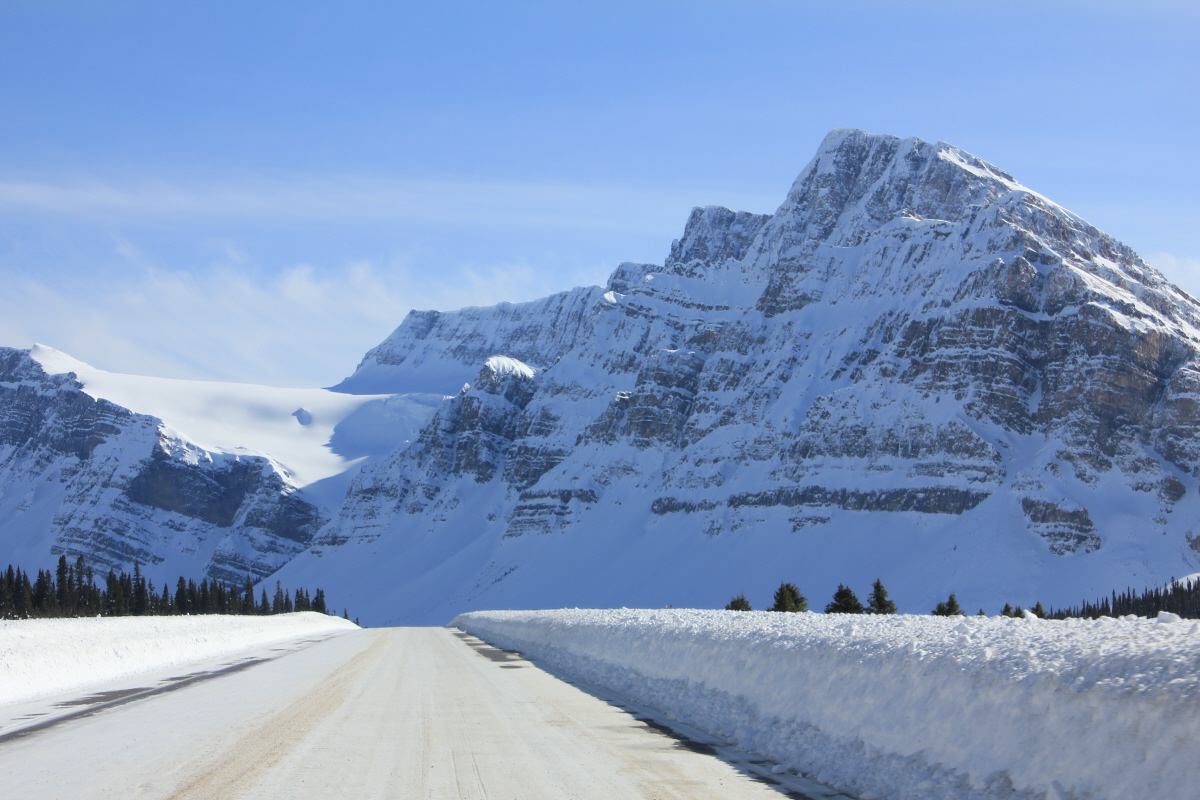
Banff is the picture many people have in mind of “winter in Canada”: frozen lakes, conifer forests weighed down by snow, soaking in a steaming hot spring while looking at the snowy mountains. There are plenty of activities here in winter—besides skiing, there’s snowshoe hiking, cross-country skiing, dog sledding, and outdoor ice skating. Banff has also lined up quite a few events for the 2025/26 season; for example, the SnowDays festival runs from January 16 to February 8, 2026, with a snow sculpture exhibition downtown and skijoring on Banff Avenue. The Parks Canada-run, affordably priced Banff Upper Hot Springs, after about seven months of renovation starting in September 2025, reopened in 2026 (adults about CAD 16.5); however, the operating hours and prices may still be adjusted, so if a hot spring soak is a key part of your itinerary, it’s still best to check the current opening status and time slots on the Parks Canada website before you set off, so you don’t make a wasted trip. Banff’s hurdle is transport: getting from Calgary airport to Banff mostly requires self-driving or taking a shuttle, and mountain road conditions change fast in winter, so people without snow-driving experience should give priority to options with a shuttle or chartered car, and not push themselves to drive mountain roads in a snowstorm.

Winter driving: winter tires aren’t a suggestion, they’re the law

This is the trap Taiwanese travelers most easily fall into. In British Columbia (BC), most highways and mountain routes have a mandatory requirement to fit winter tires or carry tire chains from October 1 to April 30 each year (for some non-mountain sections, it ends on March 31). Compliant winter tires must bear the “three-peak mountain snowflake” (3PMSF) symbol or the “M+S” marking, with a tread depth of at least 3.5 mm. These sections have regulatory signage, are inspected by police and relevant agencies, and non-compliance can mean being pulled over, fined, or even turned back. Before renting a car to self-drive, you absolutely must confirm in black and white with the rental company whether the vehicle is already fitted with compliant winter tires (many companies fit them by default in winter, but ask clearly to be sure); on the day of departure, check the weather, the road conditions, and the daylight hours; in the mountains, across provinces, and during snowstorms, people who aren’t used to snow driving should not force it. Individual municipalities and private roads (such as ski resorts) may also have their own rules, which don’t entirely match the provincial highways.

Another reminder: daylight is very short in Canada in winter—it gets dark at four or five in the afternoon—so arrange outdoor activities and driving in daylight as much as possible, and leave plenty of buffer for bus and subway delays. City travel actually mostly doesn’t require renting a car; downtown public transit is enough, and renting a car is mainly for getting to the mountains and natural attractions.

If you lean more toward a city feel and don’t want to wrestle with snowy mountains, the east coast’s Quebec City and Toronto are another route. Quebec City’s old town has the flavor of a small European town in winter, and the local winter carnival (Carnaval de Quebec) is quite a spectacle—the 72nd edition in 2026 is expected to run from February 6 to 15, ten consecutive days spanning two weekends, with an ice palace, night parades and hundreds of family activities; the exact sessions and ticketing are subject to official announcements. Toronto’s winter tends toward dry cold with a very low wind-chill, and in planning the itinerary I’d suggest “alternating indoors and outdoors”: after taking in the outdoor Christmas lights or ice rink, duck into a museum, indoor market or cafe to warm up, keeping each outdoor stretch short—much more comfortable than gritting it out for two or three hours at once.

If you want to make a special trip to chase the northern lights, then consider Yellowknife. It sits directly under the auroral belt with skies that are often very clear, making it one of the highest success-rate spots for viewing in North America. The viewing season runs roughly from September to March of the following year, with December to February in winter being the popular window; the northern lights are usually most active between 10 p.m. and 2 a.m. local time, and the sky is darkest and the colors most vivid around the new moon. But the northern lights are ultimately a game of chance, affected by weather and solar activity, and no one can guarantee that you’ll definitely see them on any given night; the more practical approach is to schedule three or more nights, greatly increasing your chances of seeing at least one spectacular display. What you need to be mentally prepared for is the temperature: during Yellowknife’s winter viewing window, temperatures can fall between -15 and -40 degrees Celsius, which is no longer at the “wear one more layer” level—you must bring professional-grade cold-weather gear, including a thick jacket, gloves, warm boots and hand warmers that let you stay outdoors, still, waiting for a long time.

Clothing and gear: three onion-style layers, and shoes are the most overlooked

The cold-weather logic for winter in Canada is “layering,” not “wearing one super-thick item.”

  • Inner moisture-wicking layer: choose moisture-wicking thermal tops and avoid cotton—once you sweat, cotton turns wet and cold.
  • Mid insulating layer: a fleece or down vest, easy to add or remove when moving in and out of indoors.
  • Outer windproof, waterproof layer: on the east coast and inland (such as Banff, Quebec, Yellowknife) a thick down jacket is recommended; in downtown Vancouver, a waterproof jacket plus a mid layer is usually enough.
  • Shoes: the part most people overlook. You want non-slip, waterproof snow boots, not just ordinary sneakers or canvas shoes—icy sidewalks are very dangerous to slip on.
  • Accessories: gloves, a beanie and a scarf matter more than you’d think—the head and extremities lose heat very fast.
  • Power bank: phones drain battery fast in the cold and often shut off outright while still showing charge, so be sure to carry a power bank.

The overall principle is to keep your itinerary conservative, leave backup plans for both outdoor activities and transport, and treat cold-weather gear and compliant winter tires as essentials rather than bonus extras. Winter travel insurance is also important, especially when the itinerary involves skiing, flight delays, snowstorms or moving across provinces. Before you set off, it’s worth flipping back through our complete roundup of Canada travel attractions and Canada life guide to fill in all the details on accommodation, transport and attractions at once.


Leave a Reply

Your email address will not be published. Required fields are marked *

🇨🇦 Lets Canada Search Assistant
On-site travel info helper