
Updated: 2026-06-17 | Ticket prices, schedules and opening hours change in real time; always confirm against official announcements
Toronto isn’t really a city you need to rush through. Three days is just right—not like two days, where you can only quickly sweep through downtown, but not yet like four or five days, where you’d start extending out to Niagara Falls or the suburbs. When I plan a three-day itinerary myself, I deliberately tie each day to one or two areas, stringing the waterfront, the islands, a neighbourhood market and one indoor museum into a rhythm, rather than hopping randomly from one point to another across the map. Toronto’s subway and streetcars cover enough ground that for three days downtown you barely need to rent a car.
What trips most people up isn’t “what to see,” but cramming too many attractions into one day, so the whole day is spent transferring and waiting in line. A sensible way to split three days is: Day 1 to get familiar with downtown and the waterfront landmarks, Day 2 for the outdoors (the islands) plus a neighbourhood market, and Day 3 reserved for indoor culture and the old town—which conveniently also works on a rainy day. The table below sets out the rhythm first.
| Day | Theme | Core Area | Who It Suits |
|---|---|---|---|
| Day 1 | Downtown landmarks and the waterfront | CN Tower, Harbourfront, Downtown | First-timers who want to grasp the city’s outline first |
| Day 2 | Outdoors and neighbourhood food | Toronto Islands, Kensington Market | People who want to slow down and enjoy walking and markets |
| Day 3 | Indoor culture and the old town | ROM or AGO, Distillery District | People wary of rain who love museums and coffee |
Day 1: Downtown Landmarks and the Waterfront
Starting downtown on Day 1 takes the least effort. Almost all of Toronto’s highlight attractions are within walking distance of Union Station; establish your sense of direction first and the next two days become much easier.
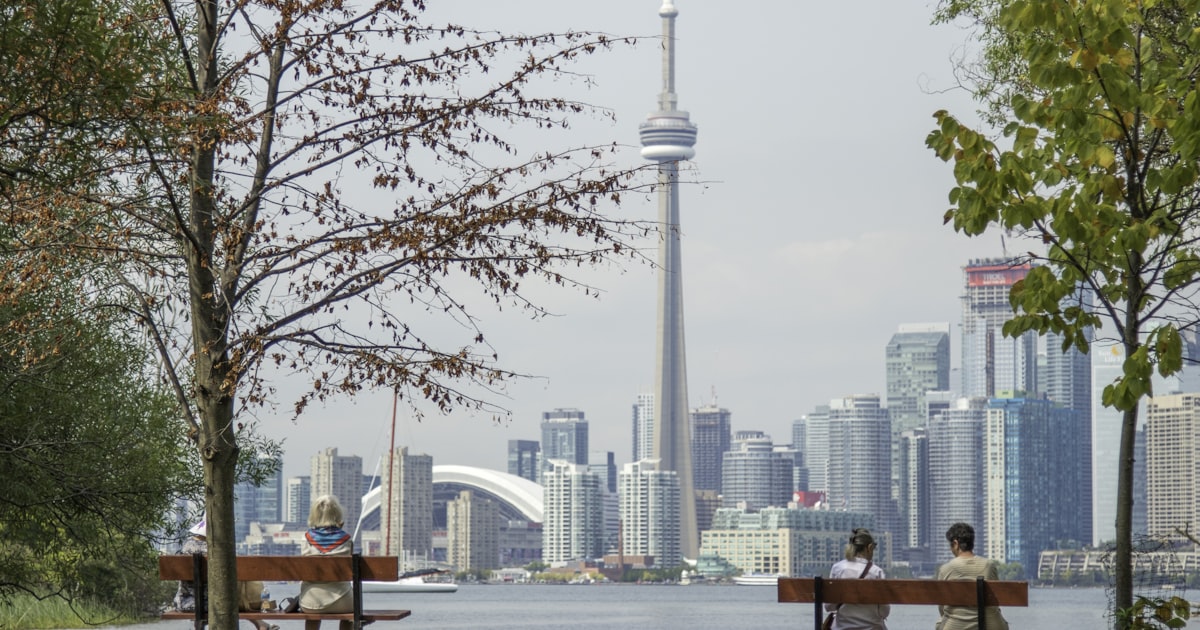
CN Tower is Toronto’s landmark, but it’s also the most expensive single ticket of this trip, and whether it’s worth it is a matter of opinion. According to the official prices, general admission (Main and Lower observation decks) is CA$47 for adults, CA$34 for seniors (65+) and youth (ages 6–13), CA$18 for children (ages 3–5), and free for children under 2, none of which include tax; going up to the highest SkyPod costs extra. If all you want is a photo of the city skyline, the free Harbourfront waterfront right next door actually offers some pretty good angles too. We suggest buying a timed ticket online in advance to avoid the queue; the actual prices and opening hours on the day are subject to official confirmation. For getting there, the CN Tower is about a 5–10 minute walk from Union Station, and after visiting, strolling along the waterfront toward Harbourfront Centre makes for a very pleasant waterside route.
Day 2: The Islands and Neighbourhood Food
For Day 2 I most recommend planning the outdoors. The Toronto Islands are the most underrated part of this city—a single ferry ride takes you from the glass-curtain-walled downtown to grass, beaches and the best vantage point looking back at the city skyline. The ferry departs from the Jack Layton Ferry Terminal (at the corner of Bay Street and Queens Quay), about a 15-minute walk from Union Station, or you can take the 509 or 510 streetcar over. According to the official prices, a return ferry ticket is CA$9.57 for adults, CA$6.15 for students and seniors, and CA$4.51 for children under 14, free for children under 2, with the fare including the return trip. The service usually runs from mid-April to mid-October, sailing to three docks—Centre Island, Hanlan’s Point and Ward’s Island—respectively; summer has frequent sailings while autumn is cut back, so it’s best to check the day’s ferry schedule before setting out. This day especially suits people bringing kids, wanting a picnic, wanting to walk or cycle; there’s little shelter on the islands, so in summer remember sun protection and water, and queues for the ferry on peak-season weekends can be considerable, so the earlier you set out the better.
In the afternoon, returning to the city from the dock, you can continue on to Kensington Market. This area is one of the most lived-in neighbourhoods in Toronto, where independent cafés, second-hand shops, and Caribbean and Latin American food stalls mix together; it’s inexpensive to wander and good for strolling at your own pace. If your itinerary happens to fall on the last Sunday of the month (roughly May to October), there are Pedestrian Sundays here, with the streets closed to cars from noon until 7 p.m. and the whole area turned into a pedestrian zone—the atmosphere is especially lively. Please confirm exact dates against the organizer’s announcements.
For Day 3 I’m in the habit of reserving the indoors, so that if it rains during the first two days, you can flexibly swap them around. Pick just one for indoor culture; don’t force both the ROM and the AGO into the same day. Both are downtown and reachable by subway, and arranging one of them paired with lunch makes for just about half a day.
| Venue | Highlights | Prices and Discounts |
|---|---|---|
| Royal Ontario Museum (ROM) | Natural history, dinosaur fossils, world culture galleries | From about CA$25 for adults (varies by date). During the 2026/6/19–9/7 period, Canada Strong Pass: ages 4–17 free, ages 18–24 half price |
| Art Gallery of Ontario (AGO) | Canadian and international art, Group of Seven collection | Free every day for those 17 and under; free admission on the first Wednesday of each month from 6–9 p.m. (online reservation required in advance) |
Official prices and free periods are adjusted, so before setting out please go to each venue’s official website to confirm the day’s prices and reservation rules. After the museum, in the afternoon head east to the Distillery District to finish up. This is a pedestrian area converted from Victorian-era red-brick factory buildings; browsing the shops, having coffee and looking at design boutiques are all free—simply going in to walk around requires no ticket, and only specific events (such as the winter Christmas Market) charge separately or require a reservation. The atmosphere is lovely once the lights come on in the evening, making it a great place to wrap up.
Don’t look at transport and budget through single ticket prices alone. Three days downtown is fine with public transit: in 2026 the TTC single-ride adult PRESTO fare is CA$3.30, and starting in September a “monthly cap” mechanism will be added, so once you’ve taken a certain number of trips in the month the rest of your trips are free—the exact rules are subject to TTC official confirmation. To get into the city from the airport you can take the UP Express to Union Station, and for cross-city or suburban travel there’s GO Transit. When budgeting, estimate accommodation, transport, dining, tax and tips separately—don’t just fixate on attraction tickets—the easiest thing to overspend on in Toronto is accommodation, especially during major events; staying around Downtown, Union Station or along the subway line saves the most travel time.
If your trip falls between mid-June and early July 2026, take special note: Toronto is one of the host cities of the FIFA World Cup, and downtown’s BMO Field (official event name Toronto Stadium) will host several matches, with the match period falling roughly between June 12 and July 2. Accommodation on match days will be harder to book and more expensive, and downtown traffic and restaurant crowds will also noticeably increase. For detailed fixtures, ticketing and entry rules, please refer to official announcements; you can consult our compiled World Cup information centre and group stage schedule.
Finally, a few pitfalls I’d warn friends about: don’t underestimate travel time—it looks close on the map, but a streetcar delay or an event road closure will drag things out, so keeping a buffer each day beats packing it tight; book popular restaurants in advance, especially weekend dinners and peak market season; keep an indoor backup—Toronto summer afternoons occasionally have thunderstorms, so treat the ROM/AGO as a backup you can swap in at any time; prices change—the prices in this article are the official data at the time of checking, so before setting out please return to the official websites to confirm tickets, opening hours and seasonal adjustments.
Are three days enough to see all of Toronto? Three days are enough to walk through downtown, the islands, one museum and the old town with quality, but I wouldn’t recommend forcing Niagara Falls in on top—that usually needs a whole extra day for the round trip. If you want to add the Falls, I’d suggest extending to four days; if you want to go farther to other cities or natural sights in Ontario, you can first look at the Toronto guide to plan an extended route.