
Content reviewed: 2026-09-13
When planning Toronto transit, separate how you pay, which transfers one charge covers and which routes operate for your return. A longer stay does not automatically call for a monthly pass, and several boardings do not necessarily produce several charges. Place your accommodation and stops into a Toronto itinerary before choosing a payment method.
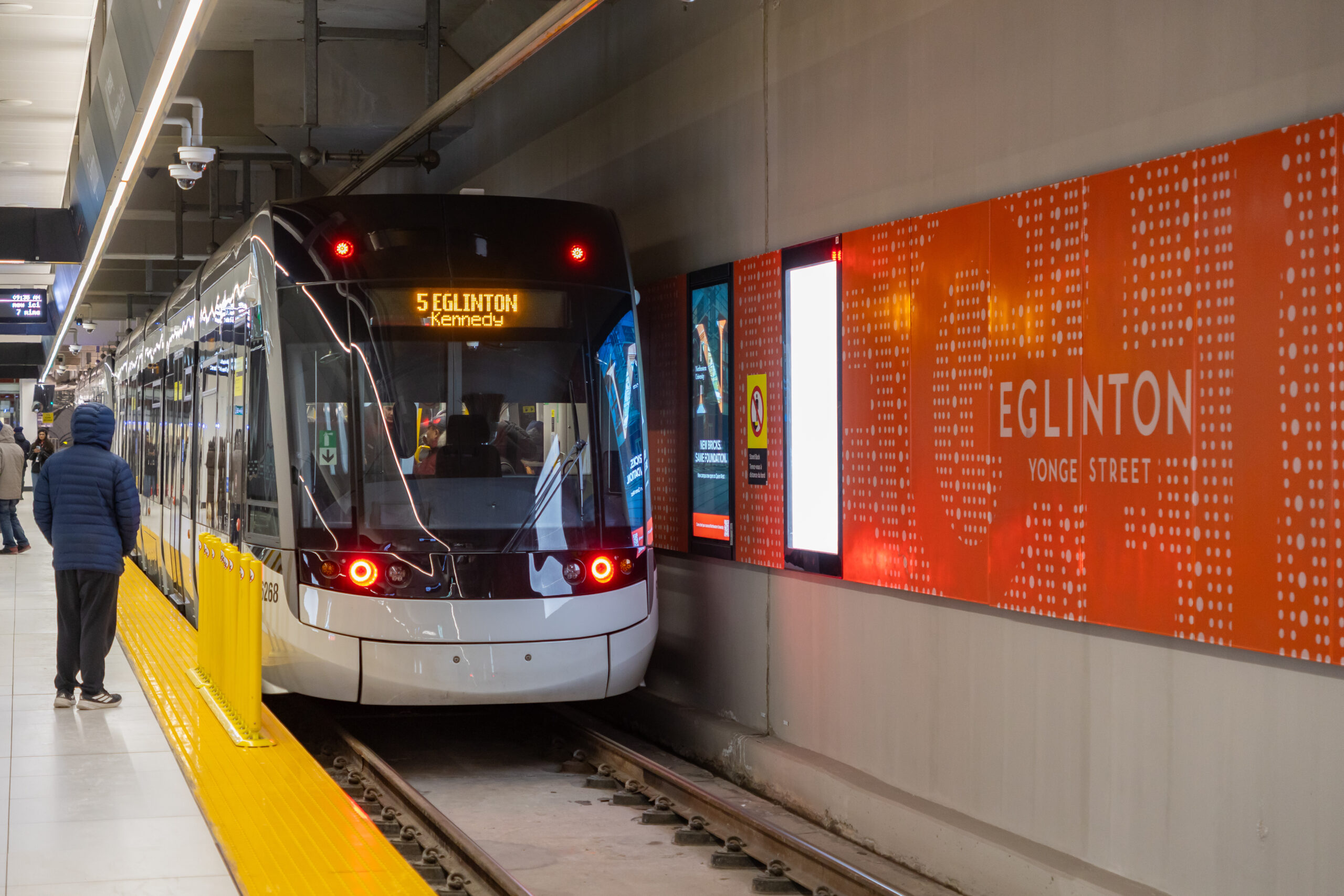

The current TTC fare table gives the adult options below, in Canadian dollars. Children 12 and under ride free. PRESTO Tickets differ from reloadable PRESTO cards; a day-pass ticket is not an airport-train pass. Use the separate Pearson transport and transfer guide to budget for the complete arrival journey.
| Adult payment option | Fare (CAD) | Key difference |
|---|---|---|
| PRESTO card / eligible bank-card tap | 3.30 | Two-hour transfers; eligible paid journeys count toward the monthly cap |
| Cash | 3.35 | Exact fare; no two-hour transfer or monthly capping |
| PRESTO one-ride ticket | 3.35 | Two-hour transfers; excluded from monthly capping |
| PRESTO day-pass ticket | 13.50 | Day-pass product; excluded from monthly capping |
Cash must be exact: TTC does not provide change. A paper cash transfer supports a continuous one-way journey that day, not unrestricted stopovers during two hours. PRESTO cards, PRESTO Tickets and eligible bank-card payments instead include transfers within two hours of the first tap. Compare day-pass costs with actual paid journeys, rather than counting free transfers as additional fares.
TTC’s contactless-payment guidance requires the same card or device for transfers. Do not alternate a physical bank card, phone and watch linked to the same account. Show the payment card or device during inspection. Bank cards charge the adult fare, without youth, senior or Fair Pass discounts; eligible riders should use a PRESTO card configured for their fare type.
Visitors should check their issuer and card type before travelling. TTC accepts international credit cards and internationally issued Visa Debit and Debit Mastercard, but not ordinary foreign-issued debit cards. Some cards remain unsupported, and bank processing or currency fees may apply. A mobile wallet does not make every card compatible or remove the issuer’s fees.
Monthly fare capping began on September 1, 2026. After 47 eligible paid TTC journeys in one calendar month with the same payment method and card or device, subsequent eligible journeys that month are free. The first tap starting a two-hour transfer period counts as a paid journey; free transfers within it do not. Cash and PRESTO Tickets are excluded. Counts reset on the first of each month, and you must still tap after reaching the cap.
Adult, youth, senior and Fair Pass monthly passes, plus youth and senior 12-month passes, ended on August 31, 2026. Adult 12-month passes and post-secondary monthly passes remain. The pass-discontinuation date is distinct from the cap’s start the next day. Compare retained products against your eligibility, contract and travel pattern; the cap does not eliminate every pass decision, and visitors need not prepay 47 journeys.
For old TTC tokens, youth/senior tickets and legacy day passes, the retirement notice sets June 1, 2025 as their last valid day on the conventional TTC system. They are no longer accepted, with no refunds, exchanges or credits. These legacy products differ from PRESTO Tickets still sold today.
If you need elevators, check your departure, transfer and destination stations, including the exit. TTC’s elevator-status information and 416-539-5438 phone line report operating conditions. An equipped station does not guarantee every elevator works that day. Ask staff or use the intercom for help during an outage, and allow time to reroute; a network-wide accessibility percentage cannot verify your entire journey.
The bus accessibility guide explains that TTC buses have low floors and ramps, but not every stop on an accessible route is accessible. Ask the operator for the ramp or kneeling feature if needed. Community Bus is a fixed-route service open to anyone at regular TTC fares, generally weekdays around 10 a.m.–5 p.m. Check the actual route; it is not an all-station or overnight substitute for the subway.
Before a late return, consult the official routes and Blue Night map. Look for 300-series numbers and blue-and-white route symbols. The network serves major routes from about 1:30 a.m. until subway service resumes, with scheduled service every 30 minutes or better, seven days a week. This does not guarantee a direct ride from every address or an on-time arrival. Check that night’s route, direction, stop and advisories before leaving your event.