
Content reviewed October 12, 2026 (Taipei time).

World Cup 2026 has ended, so Vancouver and Toronto’s preparation updates now belong to the historical record. Toronto’s July 20 wrap-up records six matches; Vancouver Police’s announcement on the same date describes seven BC Place match days and the end of its World Cup policing operations. These records establish each city’s hosting scope, but do not make their capacities, transport measures or current event rules interchangeable. City of Toronto. Vancouver Police Department.
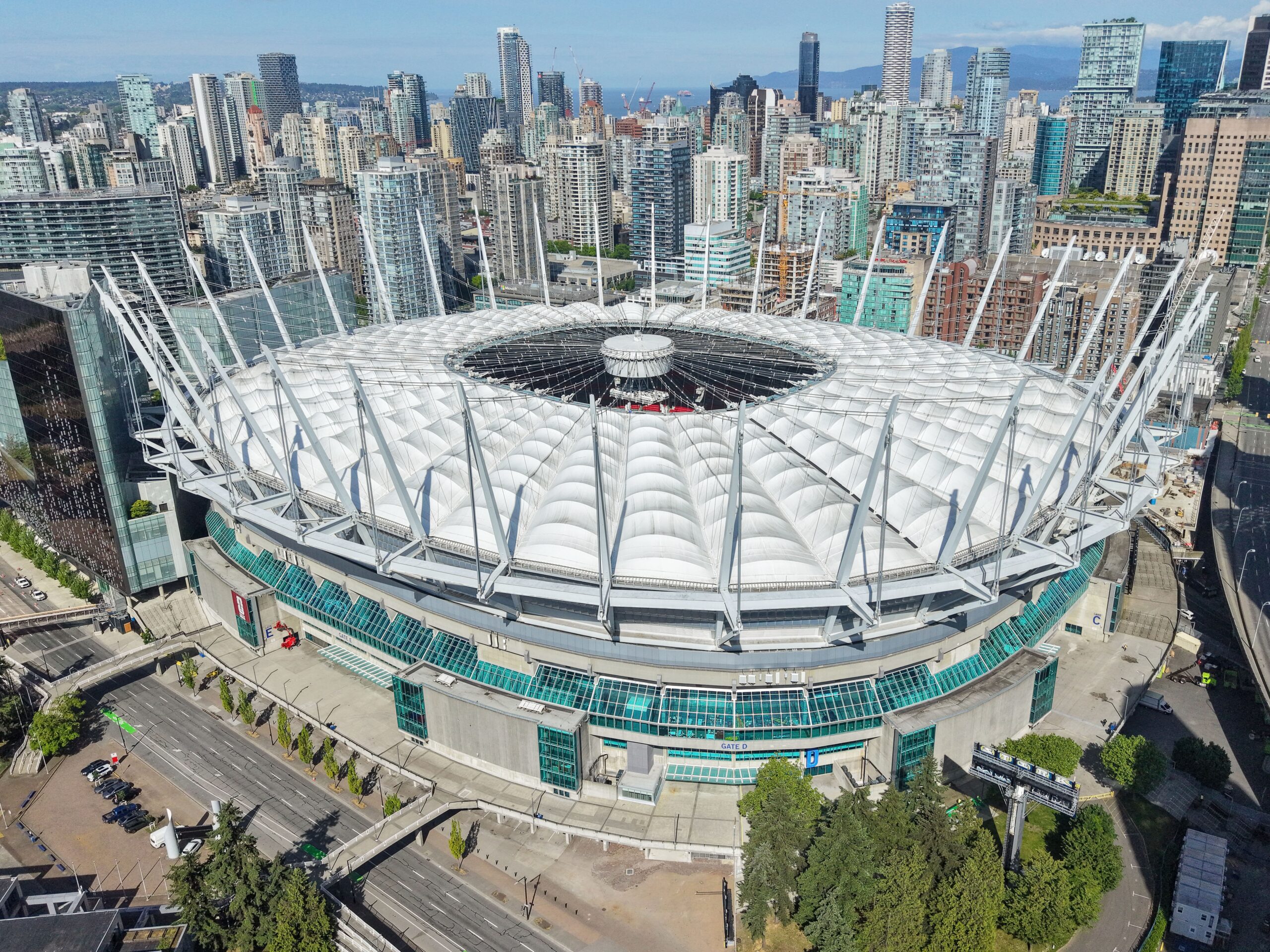
British Columbia’s May 12 BC Place announcement described three new passenger elevators, washroom renovations including some gender-neutral facilities, video-board and Wi-Fi upgrades, and an installed hybrid grass pitch. It listed completed improvements while also saying the wider works remained on schedule. An unveiling therefore should not be rewritten as proof that every job was finished that day. Nor does a stadium roof guarantee protection from the weather during outdoor queues, walks or every spectator’s visit. British Columbia Office of the Premier / Ministry of Tourism, Arts, Culture and Sport.
Toronto’s March 24 fact sheet recorded completion of its two-stage Toronto Stadium upgrades. Temporary World Cup seating increased capacity from about 28,000 to about 45,000, with removal planned after the tournament. Video boards, lighting, Wi-Fi and 32 new legacy suites were among the long-term improvements. Temporary seating and permanent works need to be distinguished: 45,000 was not promised for every later event, and that pre-tournament plan alone does not prove removal has been completed today. City of Toronto.
The wrap-up records also describe different geographic and operational scopes. Toronto’s July 20 document separates increased travel times near the stadium before and after matches from generally consistent citywide traffic. It supports neither a citywide gridlock claim nor a congestion-free trip to a match. Vancouver Police’s closure announcement likewise establishes the end of the policing phase described, rather than replacing current notices for every road, station or later event. It cannot guarantee an individual visitor’s safety or travel time. City of Toronto. Vancouver Police Department.
For another event at either venue today, check that event’s seating map, entrances, accessibility arrangements and transport information again. World Cup temporary capacities, screening routes and transport restrictions should not be carried forward automatically. This article compares original preparation and wrap-up records for the two cities. The historical exterior photograph is a location illustration, not proof of current construction conditions or seat views.
The old article’s unsupported score, scorer, national-team record and accommodation-savings guarantees have been withdrawn; they are not replaced with new guesses. For historical community viewing in Greater Vancouver and visitor preparation in Toronto, continue with the Richmond World Cup community-viewing review and the Toronto World Cup preparation review. Those describe the period, not present-day transport or ticket-buying instructions.