
Updated: 2026-06-17|Real-time information should be confirmed against official announcements
The group draw was actually revealed late last year—the names were drawn on December 5, 2025 at the John F. Kennedy Center for the Performing Arts in Washington, D.C., and Canada landed in Group B. But for those living in Vancouver, or planning to fly in this summer to catch a match, the moment that really hits home isn’t the night of the draw—it’s when the schedule lands and you find out which days will be jammed with traffic and which nights the bars will be packed. Now that the group stage is underway, the rhythm of Vancouver’s next two weeks is more or less set.
Canada’s group opponents are Switzerland, Qatar, and Bosnia and Herzegovina, who came through via the play-offs. Going by pre-tournament FIFA world rankings, Switzerland sits highest in this group, Canada is in the middle, and Qatar and Bosnia and Herzegovina trail at the back. In other words, this isn’t a group of death, but for Canada—long starved of a win in the men’s World Cup finals—every match is a tough one. In the opening match on June 12 at Toronto’s BMO Field, Canada was at one point pinned back by Bosnia and Herzegovina, before Cyle Larin equalized in the second half to take a 1–1 point from the opener—falling short of an opening win, but keeping their hopes of advancing from the group alive. Captain Alphonso Davies, who plays for Bayern, missed the opener due to a hamstring injury suffered in May, and the team remains optimistic but cautious about whether he can make it back for these two matches in Vancouver—injuries and the matchday squad should be confirmed against Canada Soccer’s pre-match announcements.
| Match | Fixture | Date | Venue |
|---|---|---|---|
| Match 1 | Canada vs Bosnia and Herzegovina | June 12 | Toronto BMO Field |
| Match 2 | Canada vs Qatar | June 18 | Vancouver BC Place |
| Match 3 | Canada vs Switzerland | June 24 | Vancouver BC Place |
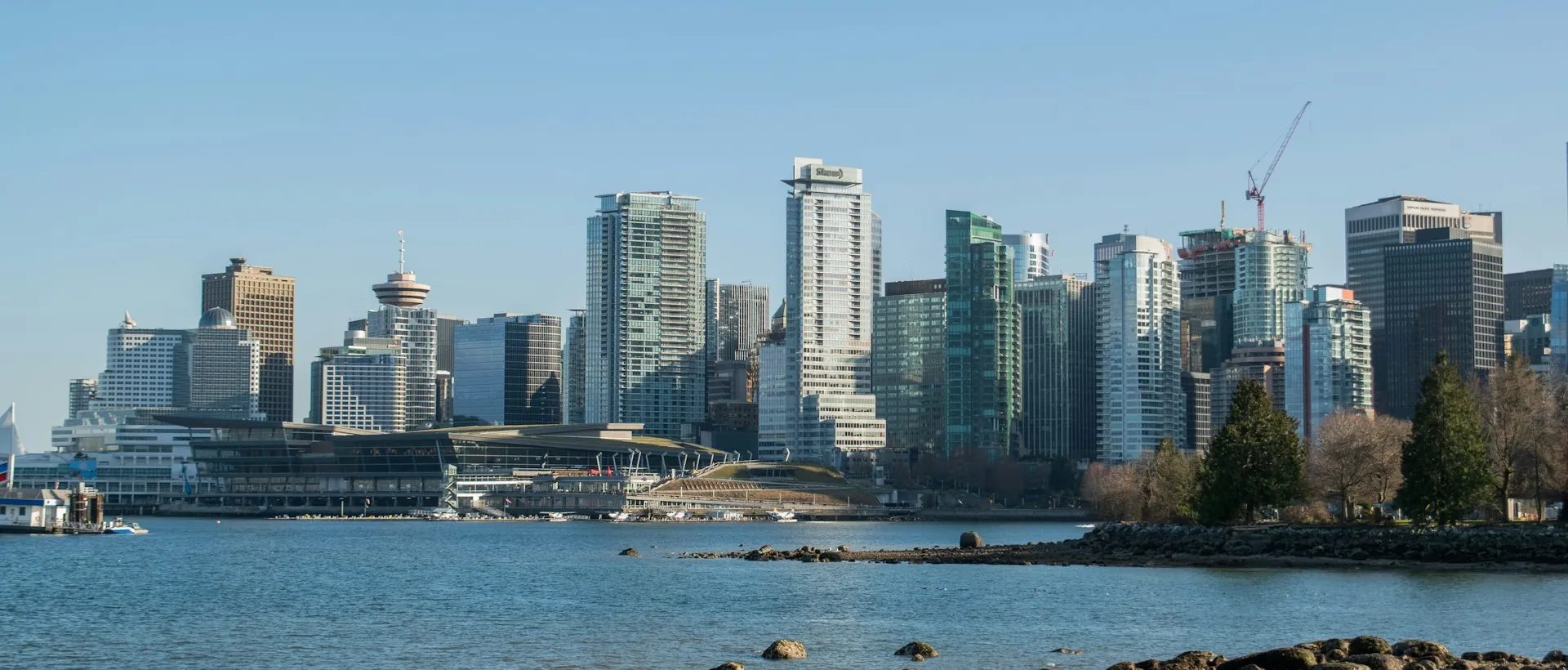
Good news for fans here in Vancouver: Canada’s next two group matches are both at BC Place, with the team shifting west to wrap up in Vancouver after playing the opener in Toronto. That means the two nights with the strongest home atmosphere will both take place in this city. One thing to flag that trips a lot of people up—official schedules are often marked in Eastern Time (ET), but BC Place is in the Pacific Time (PT) zone, three hours behind Toronto. Converted over, the June 18 match against Qatar is at 6 p.m. ET, which equals a 3 p.m. local kickoff in Vancouver; the June 24 match against Switzerland is at 3 p.m. ET, which equals a noon local kickoff. When planning your day, go by local time, and the final exact kickoff time should still be confirmed against FIFA’s official schedule announcement. Afternoon-to-evening kickoff slots mean downtown will see two waves of crowds—one heading to the stadium before the match, and one surging toward the bars and restaurants afterward; if you’re not a ticketed spectator, you’ll actually want to avoid catching transit at these two times.
By the way, BC Place will host 7 matches in total this tournament: besides Canada’s two group matches, there are other group games such as Australia vs Turkey, New Zealand vs Egypt, and New Zealand vs Belgium, plus two matches in the knockout stage (one Round of 32 and one Round of 16, both in early July). That means Vancouver’s World Cup fever won’t end once Canada finishes its group stage—there will be a steady rhythm of matches from mid-June all the way through to early July. The knockout-stage matchups won’t be confirmed until the group-stage results are in, so that part is still TBD for now—don’t be fooled by any bracket that has it locked in.
If you’re actually going in, transport is the first thing you should sort out. BC Place sits on the eastern side of downtown Vancouver, and the easiest way is to take the SkyTrain: Stadium–Chinatown Station is served by the Expo Line and is a few minutes’ walk from the exit; if you take the Canada Line, you can get off at Yaletown–Roundhouse Station and walk, or transfer to the Expo Line downtown. On match days, strongly consider ditching the car—parking around the stadium is scarce to begin with, even harder to find on matchdays, and after the match you’ll be fighting the whole crowd for road space. My own habit is to arrive in the city early before the match; long queues at security and entrances are the norm at major events, so leave at least some buffer; using a Compass Card or a contactless credit card to tap in on the SkyTrain saves you queuing to buy a ticket, and keep a little cash on hand in case a small vendor’s system glitches; when leaving, don’t force your way through—clear the first wave of the crowd before deciding whether to take transit or walk, which is usually faster than being stuck waiting at the station entrance. If you want to do both Toronto and Vancouver, the domestic flight is about 4.5 hours; seats are tight and fares run high during the tournament, so the earlier you book the better. As for match-day temporary traffic controls and venue entry rules (permitted items, bag sizes, etc.), the details may vary by match, so the safest bet is to check BC Place and the organizers’ day-of announcements before you set out.
Demand for group-stage tickets has always been tight, so be sure to buy through FIFA’s official ticketing platform or authorized channels, and steer clear of dubious resale routes—price and authenticity are both hard to guarantee. If you didn’t snag a ticket, don’t be discouraged: downtown Vancouver and the Gastown area have plenty of sports bars with big screens, which are usually packed during the tournament, so it’s best to book ahead or arrive early; officials will also announce information on fan events and public viewing spaces, so you don’t necessarily have to be inside the stadium to soak up the atmosphere. If you’re not going in and don’t want to squeeze into a bar, Canadian local TV and streaming platforms will all broadcast the matches, with the channel for each match to be confirmed against the official broadcasters’ announcements.
For out-of-town travelers planning to fly in for a match, there are two things that are less stressful to handle now. The first is accommodation: demand in the downtown core rises noticeably during the tournament, and options near SkyTrain stations can save a lot of commuting time, so it’s worth picking a room with free cancellation to lock in a spot. The second is entry documents: most visa-exempt travelers need an Electronic Travel Authorization (eTA) to enter Canada, while other nationalities may need a visa—be sure to confirm validity and eligibility with the official Canadian government before you depart, and don’t leave it to the last minute. If you want to go on and plan your whole match-watching trip, you can refer to our complete 2026 World Cup group-stage schedule, Vancouver match-watching and travel guide, and roundup of viewing locations and broadcasts within Canada.