
Three measures are easy to confuse: vacancy, rents paid by tenants already in place, and asking rents advertised for available homes. CMHC’s 2025 Rental Market Report covers the Vancouver census metropolitan area (CMA). It recorded a 3.7% vacancy rate in purpose-built rentals, the highest in more than 30 years. Average rent for an occupied purpose-built two-bedroom unit was CAD 2,363, up 2.2% year over year. In the condominium-apartment rental market, vacancy was 1.5% and the average two-bedroom rent was CAD 2,900. These are not one-bedroom asking prices, and they do not describe every neighbourhood or new lease. CMHC’s 2025 report
CMHC’s June 2026 mid-year update said asking rents in Vancouver and other major markets were still declining, while average rents for occupied units could continue to rise. New supply, building age and rent level shape different outcomes; the lower-rent segment remained tight. A higher overall vacancy rate therefore does not mean every renter can now find an affordable home. Compare listings with the same location, unit type, lease start date and incentives, and do not treat an advertised price as the rent paid across the market. CMHC’s 2026 mid-year update
The City reported that laneway-home permit processing time fell from 200 days in 2022 to 100 days in 2025. That is a permit-processing measure; it does not show that the same number of homes were completed or became rentals. When assessing a listing, compare total rent, lease terms, move-in timing and the actual transit route. Check a specific address with TransLink’s trip planner. For broader city information, see the Vancouver guide. City permit update
Check purchase restrictions and each tax separately
As reviewed on this date, the federal Prohibition on the Purchase of Residential Property by Non-Canadians Act had been extended to January 1, 2027. The Act and regulations contain defined scope and exceptions; eligibility depends on the person and transaction and cannot be determined from the label “foreigner” alone. Department of Finance Canada explanation
B.C.’s Additional Property Transfer Tax is a separate rule. In specified areas, it may apply at 20% to the proportionate residential-property interest of a foreign national, foreign corporation or taxable trustee within the statutory definitions. Location rules and exemptions matter. A further 2% tax applies to residential value above CAD 3 million; that is distinct from the additional transfer tax. B.C. additional transfer tax and B.C. property transfer tax
Ownership taxes also need to be kept separate. B.C.’s Speculation and Vacancy Tax applies only in specified areas and has exemptions. For the 2026 use year, rates are 3% or 1%, depending on owner category and declaration conditions; the province has announced a 4% rate from the 2027 use year for the specified category now taxed at 3%. Vancouver’s Empty Homes Tax is municipal: its rate for the 2025 reference year is 3%, subject to its own declaration and exemption rules, and it is separate from the provincial tax. Before a transaction or declaration, check the current government rules and obtain qualified advice. B.C. SVT rates and Vancouver Empty Homes Tax
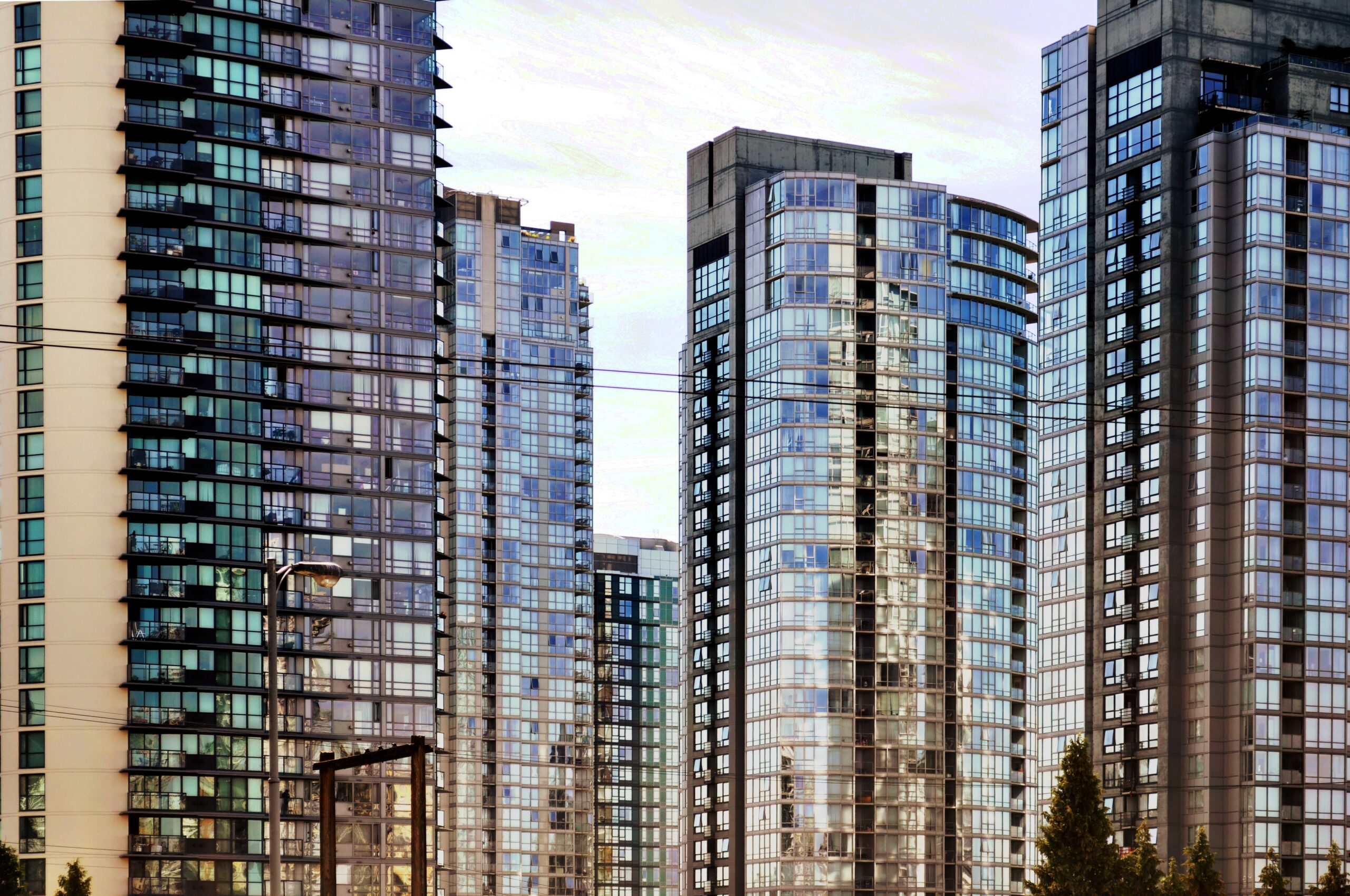
Image: Joe Mabel, 2010, via Wikimedia Commons, CC BY-SA 3.0. Historical illustration only, not current rental conditions. Image and rights record.Facts reviewed October 14, 2026.
